Best Packing Cubes for Carry-On Travel: How to Choose & Pack
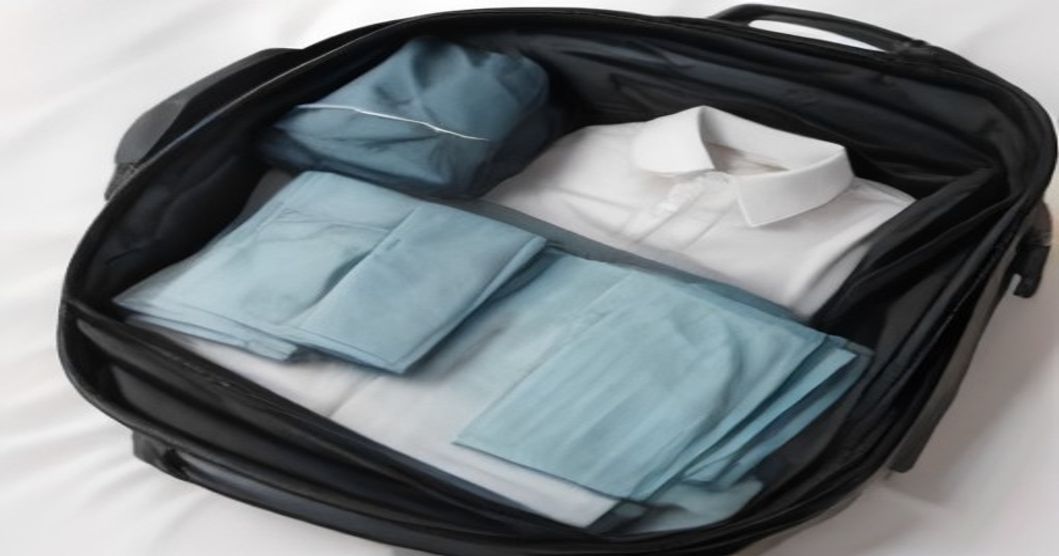
Disclosure: This guide may contain affiliate links; we may earn a small commission at no extra cost to you. Recommendations are based on product types and public specs, not paid placement.
Packing cubes are the most-recommended travel item for a reason: they turn a chaotic carry-on into labeled compartments you can grab without unpacking everything. But there’s a right way to buy and use them, especially when every gram and centimeter counts.
What packing cubes actually do
- Organize by category: Tops, bottoms, underwear, tech — find things instantly.
- Live out of your bag: Pull one cube, not your whole case, in a hostel or hotel.
- Compress bulk: Compression cubes squeeze air out of puffy items.
- Faster repacking: Everything has a home, so re-packing takes minutes.
Cube types compared
| Type | Best for | Note |
|---|---|---|
| Compression cube | Puffy items, jackets, laundry | Zips down to save space |
| Slim/flat cube | Shirts, categories | Stacks neatly in carry-on |
| Mesh-top cube | Seeing contents fast | Less protection |
| Shoe/laundry pouch | Separating dirty/wet | Keeps the rest clean |
How to pack a carry-on with cubes
- Roll, don’t fold inside cubes to fit more and reduce creases.
- One compression cube for bulky layers; slim cubes for everything else.
- Dedicate a pouch to dirty or wet clothes so they don’t touch clean ones.
- Match cube sizes to your bag so they tile without wasted gaps.
The weight trap
Here’s what nobody tells you: heavy, structured cubes add real weight, and on a strict carry-on allowance that’s weight you can’t spend on clothes. Choose the lightest cubes that still hold shape — ultralight nylon over thick padded fabric. Compression cubes help most for volume, but even they add a bit of weight, so use one or two, not a full set of six. The goal is organization, not a second layer of luggage.
Do you really need them?
If you pack light and rummage happily, you may not. But for anyone who hates digging through a jumbled bag, or who moves between multiple stops on one trip, cubes pay for themselves in time and sanity. They’re especially useful for one-bag travelers who need to find one shirt without exploding the whole carry-on across a hostel bunk.
Bottom line
Packing cubes organize and compress rather than create space, and for carry-on travel that’s exactly what you want: fast packing, easy living out of your bag, and tidy categories. Get a light set with one compression cube, roll your clothes, and keep a pouch for dirty laundry. Pair them with a backpack that has a detachable daypack for a complete one-bag setup.
FAQ
Do packing cubes save space? Compression cubes reduce the volume of bulky items; regular cubes mainly organize. Neither adds capacity to the bag itself.
Roll or fold in cubes? Rolling usually fits more and reduces creasing, especially for casual clothes. Fold structured items like blazers.
How many cubes for a carry-on? Two to four is plenty — one compression cube plus a couple of slim ones. More cubes add weight without helping.