Packing Tips for Long Trips: What Actually Survives Travel (From People Who Go Constantly)
Disclosure: This post may contain affiliate links. We may earn a commission on qualifying purchases at no extra cost to you.
You don’t need a 90-liter backpack and 47 outfit combinations for a month abroad. What you actually need is a clear strategy, a handful of gear that doesn’t quit, and the confidence to pack lighter than you think. Here’s what works when you’re gone for weeks and can’t afford to haul dead weight or deal with a suitcase falling apart mid-trip.
Pack for 5–7 days, plan to do laundry, choose clothes that mix and match, and invest in one good carry-on and one reliable checked bag. Most travelers overpack by 40%.
The Core Strategy: Capsule Packing
The biggest mistake people make on long trips is trying to pack an outfit for every occasion. Instead, build a capsule: a small set of neutral pieces that combine into multiple looks. Think five solid-color tops, two pairs of pants, one pair of shorts, one lightweight jacket, and shoes in neutral tones. Add one dressier piece if you know you’ll need it. Dark neutrals hide stains and let you wear items twice between washes.
This is not about minimalism for its own sake. It’s about spending less time deciding what to wear, fitting everything into luggage you can actually lift, and not paying baggage fees for items you never touch. Experienced long-trip travelers typically pack 30–50% less clothing than first-timers assume they need.
The Mix-and-Match Logic
Start by choosing a color palette. Stick to neutrals (black, navy, khaki, white, gray) as your base. Then pick one accent color (olive, rust, burgundy, or cream) that ties everything together. A black sweater becomes three different outfits when layered over different shirts. A single jacket works with both jeans and a skirt. The math is simple: fewer items that cross-function mean more actual outfit variety with less luggage weight.
Clothing Choices That Actually Survive Long Travel
Fabric choice matters more than most travelers realize. Merino wool, synthetic blends, and technical fabrics (nylon, polyester) handle repeated washes, wrinkles less, and dry faster than cotton or linen. A merino wool t-shirt can go 4–5 wears before needing a wash. Cotton needs laundering after two wears. On a three-week trip with one laundry day, that difference saves you half your luggage space.
Avoid novelty pieces or anything “special occasion only.” Every item in your bag should work in at least two outfits. That beautiful printed blouse you love but only matches one pair of pants is dead weight. Choose pieces that layer, transition between seasons, and work in both relaxed and slightly more polished contexts.
Packing Pro Tip: Wear your bulkiest items on travel days—jacket, hiking boots, heavy sweater. You’re wearing them anyway, and it saves several liters of luggage space. Airplane cabin temps vary wildly, so layering works perfectly for flights.
Gear That Earns Its Weight
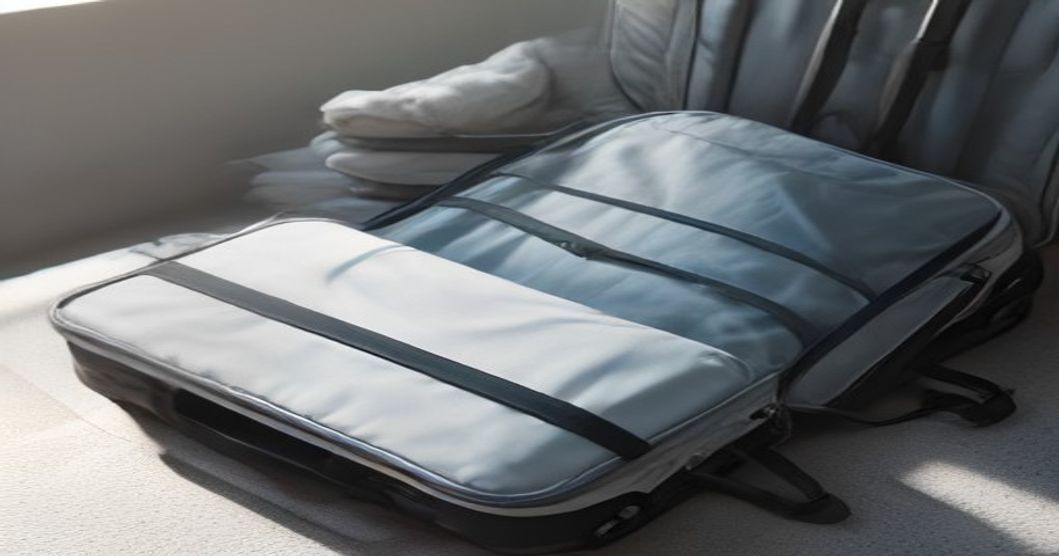
Your luggage itself sets the tone for the whole trip. A lightweight, durable carry-on (typically 22 × 14 × 9 inches and under 7 pounds) handles most trips under two weeks. For longer journeys, add a checked bag. Look for bags with four spinner wheels (not two), a top handle that won’t snap, and pockets designed for frequent access—not some Instagram-influencer backpack that looks cool but falls apart on day four.
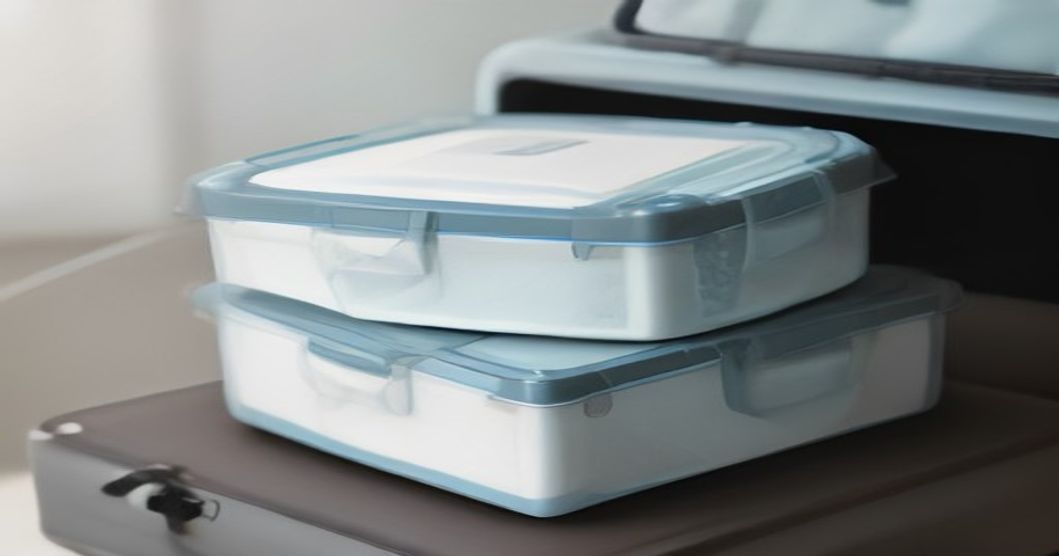
A good packing cube set (cloth organizers that compress and divide your luggage) costs $20–40 and returns the investment immediately. They cut packing time, let you find items without unpacking everything, and keep dirty clothes separated from clean. Get a few medium cubes and one slim flat one for shoes or documents. This is not fancy—it’s functional.
A compression bag for off-season items saves another 20–30% of space if you’re traveling between climates. A lightweight microfiber towel (for beach trips or hostel situations) weighs almost nothing and solves a real problem. A small dry bag or waterproof pouch protects electronics and documents from spills and humidity.
The Carry-On Versus Checked Debate
Carry-on only means mobility and speed—no baggage claim, no checked-bag fees, easier for connecting flights. But you’re limited by airline dimensions and can’t pack comfortably. You’ll likely pay for a second personal item (backpack or crossbody bag), and you’ll be cramped. For trips up to 10 days in one climate, carry-on works.
A checked bag lets you pack genuinely without compression gymnastics, but you pay fees ($30–80 per flight leg), lose 45 minutes at baggage claim, and risk delays if your bag doesn’t make a connection. For 2–3 week trips with laundry planned, most experienced travelers use both: a carry-on for immediate essentials and a checked bag for the bulk of gear. It’s a trade-off between convenience and cost.
The Laundry Plan (Non-Negotiable)
This is where most first-time long travelers fail. They pack enough clothes for every day, then suffer. Instead, plan laundry into your itinerary. Use a hotel laundry service once per trip (expensive but guaranteed), find a laundromat in your destination (cheap, takes 2 hours), or hand-wash delicates in your sink (free, takes 15 minutes). Even one laundry cycle halves your clothing needs.
Pack a small bar of travel laundry detergent or laundry sheets (they weigh nothing). Keep one lightweight outfit that dries quickly for the laundry day itself. Plan laundry for mid-trip, not the last day—you want clean clothes for the journey home.
Toiletries and Electronics: The Space Thieves
Liquid toiletries are heavy and space-intensive. Switch to solid versions where possible: solid shampoo bars (equivalent to 2–3 bottles of liquid), solid deodorant, solid face soap, solid lotion bars. They last longer, skip TSA liquid limits, and weigh far less. A single solid shampoo bar lasts 2–3 weeks and takes up the space of a lipstick.
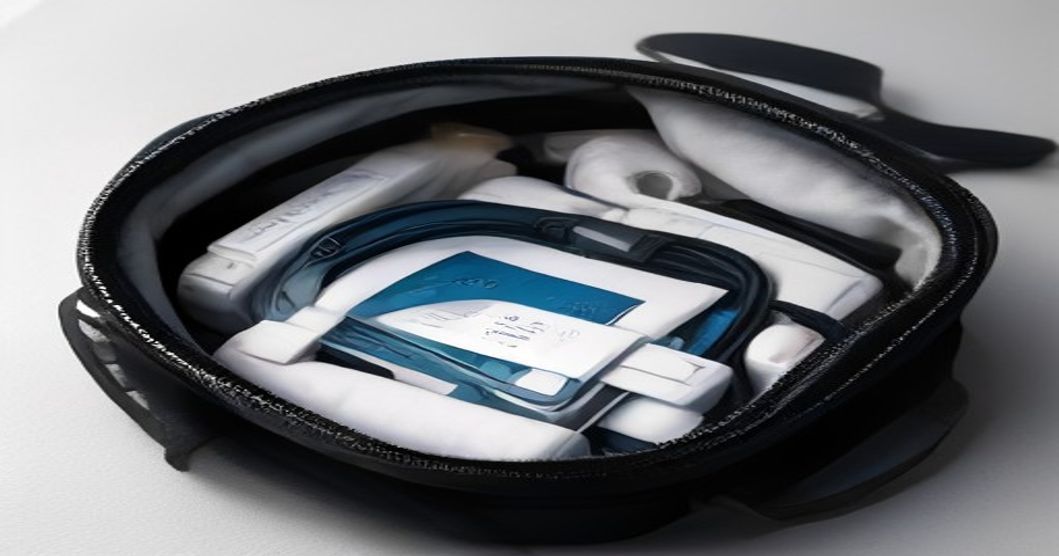
For medications, sunscreen, and face serums you can’t live without, buy travel-size bottles or invest in refillable TSA-approved containers. Don’t pack full-size bottles unless you’re moving (not traveling). Most hotels provide basic soap and shampoo—they’re not great, but they’re free and save luggage space.
Electronics are the other culprit. Bring one universal charger and one backup battery. Ditch the separate cables for every device—USB-C cables now work across phones, tablets, and laptops. A single lightweight power strip (about the size of a deck of cards) lets you charge multiple devices at once in a hotel room, saving a second outlet battle with your travel buddy. Skip the hairdryer—most accommodations have one, and it’s rarely worth the luggage space.
Real-World Hack: Photograph your medication bottles and insurance cards. If you lose your luggage, you’ll have proof of what you packed and copies of critical documents. Also, take a photo of your luggage before checking it—some airlines require visual evidence if you later claim damage.
Packing Order: The Sequence That Works
Random packing leads to crushed shirts and a suitcase that won’t close. Here’s a tested sequence:
- Heavy items first (bottom): Shoes in a separate small bag, electronics, toiletries pouch. These anchor everything and distribute weight evenly.
- Rolled clothes (middle layer): Roll each item tightly—this saves 20% more space than folding and creates far fewer wrinkles. Start with pants, then heavy items like sweaters, then lighter t-shirts on top.
- Lightweight items (top): Socks, underwear, lightweight layers, anything fragile. Use remaining packing cubes or pockets for organization.
- Carry-on access (inside zippered pockets): Phone charger, headphones, medications, toiletries for the flight, change of clothes. Keep your passport in your personal item, never in checked luggage.
Use every pocket and compartment. Shoes hold socks and small items inside. Jacket pockets hold scarves or lightweight accessories. The more organized you are during packing, the less time you spend hunting for things at your destination.
Wrinkles, Spills, and Damage Prevention
Rolling clothes instead of folding cuts wrinkles by half. Once you arrive, hang everything immediately and let it air. A five-minute hot shower creates steam in your bathroom—hang wrinkled items in there while you shower, and most wrinkles release without an iron.
Protect your luggage from spills and damage with a soft luggage cover (not hard plastic, which is bulky). Pack a small plastic bag inside your suitcase for anything wet or dirty. Keep detergent sheets handy for emergency stains. Zip-lock bags save ruined outfits—use them for damp items, dirty clothes, or anything that might leak.
For checked baggage, avoid overpacking so hard that zippers strain. Overloaded luggage breaks seams and wheels. Your suitcase should close easily with a little pressure, not feel like you’re fighting it shut. If it’s bursting, you’ve packed too much.
What Not to Pack (The Space-Savers)
Skip the full-size versions of anything you can buy or replace at your destination. Shampoo, sunscreen, basic medications, deodorant—all available everywhere. You don’t need 10 pairs of underwear; five pairs plus laundry halfway through is fine. You don’t need matching shoes for every outfit; two versatile pairs (casual and something slightly dressier) covers 95% of situations. You don’t need a blow dryer, hair straightener, or curling iron unless it’s central to how you present yourself.
Don’t pack “just in case” items. That formal dress you might wear if something fancy happens. The extra phone charger in case one breaks. The backup bag in case your main one fails. On a long trip, you’re traveling light—you don’t have room for maybes. Pack only things you know you’ll use.
Climate-Specific Adjustments
Warm destinations simplify packing. Cotton t-shirts, shorts, lightweight pants, sandals, one light sweater for air conditioning. Skip heavy layers entirely.
Cold destinations demand strategic layering instead of bulk. Thermal base layer (merino wool is best), mid-weight sweater, insulating jacket. One quality coat beats three mediocre ones. Pack two pairs of pants instead of five, because you’ll layer and repeat. One pair of thermal leggings under regular pants doubles your cold-weather outfit combinations.
Mixed climates (fall in Europe, spring in North America) need a versatile jacket that works warm and cool, plus layers you can remove. A lightweight but water-resistant shell jacket earns its weight. Pack fewer t-shirts and more long-sleeve options that work in multiple temperatures.
Climate Packing Cheat: Check the weather forecast the week before you leave and pack for those exact conditions, not your imagination of the destination. Then add one extra layer (sweater or light jacket) you can shed or add as needed. Most packing regret comes from guessing wrong about temperature.
The Backup Plan: What to Do If Your Luggage Gets Lost
It happens. Airlines lose checked bags. If yours disappears, you have options: airlines provide a per diem for emergency purchases, so buy basics at your destination. Your travel insurance may cover it (check your policy before you leave). Keep your carry-on minimal but essential—change of clothes, medications, phone charger. If your checked bag is lost, your carry-on gets you through the first few days.
Store receipts for all emergency purchases. Document everything with photos. File a claim with the airline within the required timeframe (usually 14 days for domestic, 21 for international).
The best defense is prevention: don’t pack anything truly irreplaceable in checked luggage. Keep copies of important documents, medications, and sentimental items in your carry-on.
Related Gear Resources
If you’re heading somewhere specific, check our guides for more detailed prep. For beach trips and snorkeling, see best travel backpack with removable day pack for beach trips and snorkeling. For digital nomads staying longer, best travel backpack with laptop sleeve and hip belt for digital nomads covers gear that handles both work and exploration. And if you’re traveling to areas with air quality or wildfire concerns, travel gear and safety tips for wildfire season destinations has practical protection strategies.
Pack for 5–7 days, plan to do laundry once, and choose clothes that mix and match across multiple outfits. Invest in one solid carry-on and one reliable checked bag, use packing cubes, and switch to solid toiletries to save space. The moment you stop trying to pack an outfit for every contingency and trust laundry instead, long trips become easier and your luggage actually survives the journey. Most travelers carry 40% more than they need. You won’t be one of them.