Travel Gear and Safety Tips for Wildfire Season Destinations: What Actually Works
Disclosure: This post may contain affiliate links. We may earn a commission on qualifying purchases at no extra cost to you.
You’re excited about that trip to a scenic hiking destination or a visit to friends across the country. Then you check the forecast and see something sobering: wildfire smoke is blanketing the region. The question shifts from “What should I pack?” to “Should I even go?” and “How do I stay safe if I do?”
Wildfire season travel is doable with smart planning. Pack N95 masks, monitor air quality daily, adjust your itinerary based on real-time conditions, and choose flexible accommodations. The key is preparation, not avoidance.
Understanding Wildfire Season and Air Quality
Wildfire season doesn’t mean the air is unsafe every single day. It means the risk exists, and conditions can change rapidly. The Air Quality Index (AQI) is your friend here—it measures fine particulate matter and pollutants on a scale that tells you whether outdoor activities are realistic.
An AQI under 50 is green (good). You can hike, walk around, enjoy outdoor attractions normally. At 51-100, it’s still moderate—you might notice some haze but won’t struggle. Above 101, things get murkier and respiratory stress increases. Above 150 is when most people should avoid strenuous outdoor time.
The trick is that wildfire smoke moves. A destination with terrible air on Monday might be clear-ish by Thursday. Unlike a snowstorm that shuts down flights, wildfire smoke often just makes the scenery less crisp and breathing harder if you’re sensitive. Many travelers successfully visit wildfire-prone areas by timing outdoor activities around air quality forecasts.
Essential Gear to Pack for Wildfire Season
Respiratory Protection
This is non-negotiable. N95 or KN95 masks are your primary defense. A single N95 costs about a dollar when you buy in bulk, so pack 5-10 for a week-long trip. The better ones have adjustable ear loops and a flexible nose piece—test the fit at home. If the mask doesn’t seal well, it’s useless.
Pro tip from frequent wildfire-zone travelers: bring a few different sizes or brands. Not all masks fit all faces the same way, and you might not know which one works for you until you’re there. Having a backup if one tears is also smart.
Air Quality Monitoring Tools
Download an air quality app before you leave. AirNow and BreezoMeter are free and reliable. Check it every morning so you know whether to plan outdoor time. Most apps let you save favorite locations, so you can track both your home and your destination simultaneously.
This gives you real data instead of guessing. You might find that even with active fires nearby, your specific neighborhood has decent air because of wind patterns. Or you’ll see that Tuesday looks clearer than Wednesday, so you schedule the big outdoor hike accordingly.
Hydration and Comfort Items
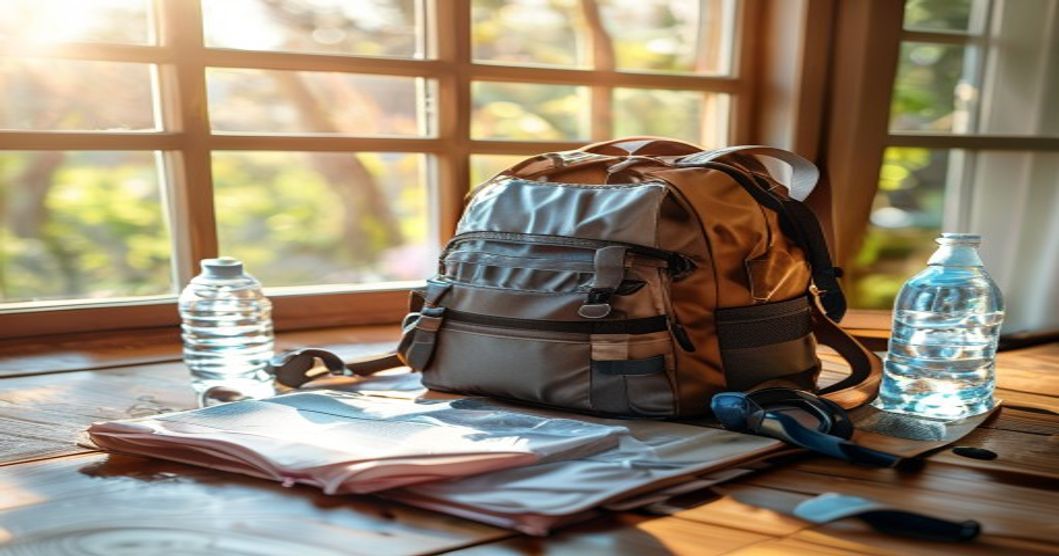
Smoke exposure is dehydrating. Pack a high-capacity refillable water bottle—stainless steel holds temperature well and is durable for travel. Aim to drink more than usual. Lip balm (wildfire air is dry), eye drops, and a moisturizing face cream also help combat dryness and irritation.
A lightweight scarf or neck gaiter can be an extra layer of protection if you find yourself in smoky outdoor areas and don’t want to mask the whole time (though masks are more effective).
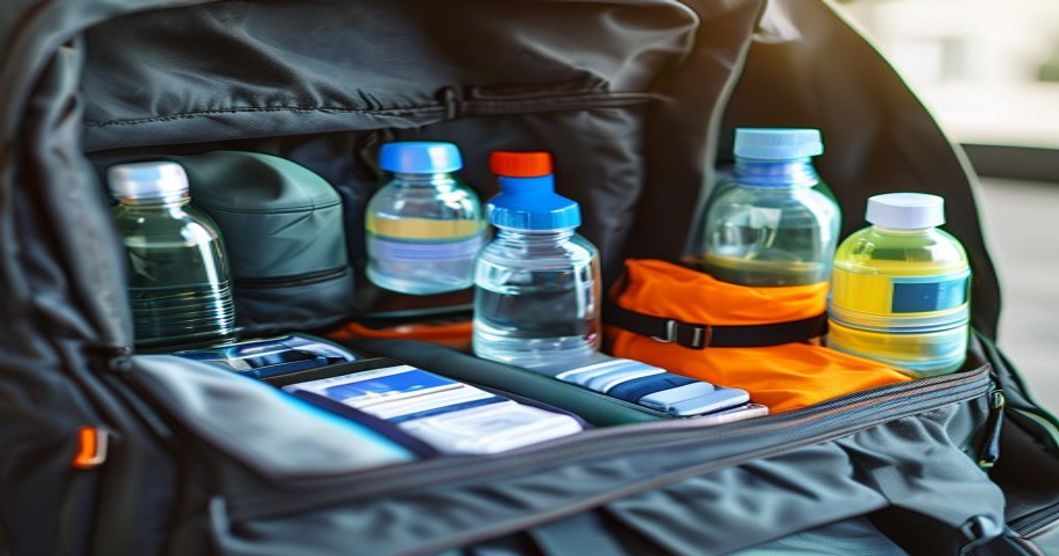
Pack your masks and air quality gear in an easy-access pocket of your carry-on. Don’t bury them in checked luggage. If air quality is bad the moment you land, you want masks ready immediately.
Pre-Trip Planning Checklist
Smart wildfire-season travel starts before you book anything. Here’s what to do:
- Check seasonal wildfire history. Does your destination have fires mostly in July-September? Early May to June? Late fall? A quick Google search for “[location] wildfire season” tells you the high-risk months.
- Look at historical AQI data. Many air quality websites show past months’ data. If a region averages AQI of 120+ for your chosen dates, you might want to pick a different date or destination.
- Book flexible accommodations. Choose hotels or rentals with free cancellation or travel insurance that covers air quality-related cancellations. If you’re flying, book flights on airlines that allow rebooking without penalty.
- Research indoor attractions. Before you arrive, list museums, restaurants, shops, theaters, and covered markets you can visit on high-AQI days. Don’t rely on all activities being outdoor-based.
- Identify local medical resources. Know where the nearest urgent care clinic or hospital is. Write down the address in case you experience respiratory issues.
- Check your travel insurance. Confirm it covers trip cancellation due to hazardous air quality or evacuation orders. Read the exclusions carefully.
Day-by-Day Safety Practices While Traveling
Morning Routine: Check and Plan
Every morning, open your air quality app. Note the AQI for your destination. Plan your day around it. If it’s under 100, you can do a normal day of sightseeing. If it’s 100-150, do indoor activities in the morning (museum, indoor shopping) and light outdoor time (short walk, scenic drive) in the afternoon. If it’s above 150, stay mostly indoors and reschedule outdoor plans.
Outdoor Activity Strategy
On days with acceptable air quality (AQI under 100), do your most strenuous outdoor activities—the long hike, the all-day tour. Save light outdoor time for moderate-AQI days. On bad AQI days, pivot to indoor experiences.
Early mornings often have clearer air than afternoons (smoke accumulates as the day heats up). Plan major outdoor activities for 6-10 a.m. if possible.
If You’re Outdoors in Smoky Conditions
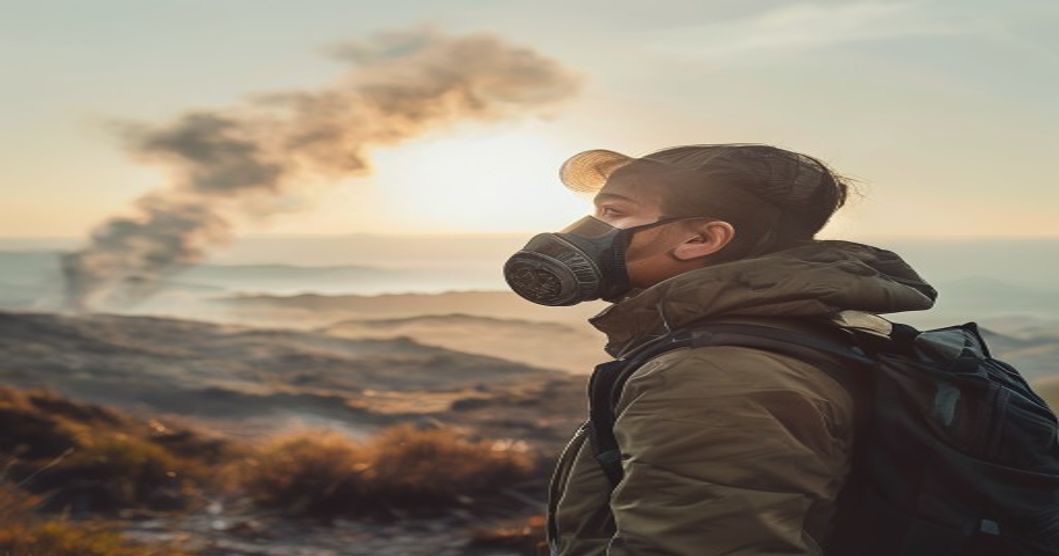
Wear your N95 mask. Keep one in your day backpack at all times. Don’t rely on leaving them in your hotel room. If you feel any respiratory irritation—tightness in the chest, difficulty breathing, or a persistent cough—move indoors immediately. Smoke effects can build up over hours, so don’t power through it.
Limit strenuous activity (heavy hiking, running) on moderate to high AQI days. Walking and sightseeing at a normal pace is fine with a mask; intense cardio strains your lungs more and makes mask-wearing uncomfortable anyway.
Accommodation Setup
Request a room away from exterior air intakes if your hotel has them. Keep windows closed during high-AQI days. If your accommodation has an air purifier, use it. If not, a cheap portable HEPA filter runs about $30-50 and works surprisingly well for a hotel room. Some travelers pack a small one for this reason.
Let fresh air in on low-AQI days or early mornings when air quality is best.
Adjusting Your Itinerary in Real Time
Flexibility is your best asset. If you planned a three-day backpacking trip but arrive to find the air is bad, adjust. Do day hikes instead. If the weather forecast shows smoke clearing in two days, shift your hiking plans to those days. If it stays bad, explore the region’s towns, restaurants, and indoor attractions instead.
This isn’t failure—it’s smart travel. Many destinations that experience wildfire season also have excellent indoor options. Wine country has tasting rooms. Mountain towns have good restaurants and shops. Even if you can’t summit that peak, you can still have a great trip.
Remember: no view is worth damaging your lungs. If air quality is consistently dangerous (AQI above 200), consider cutting your trip short or changing destinations entirely. Travel insurance that covers this exists, and your health is the actual priority.
People with asthma, COPD, heart conditions, or other respiratory issues should be extra cautious. Consult your doctor before traveling during wildfire season and carry your rescue inhaler or medications at all times. Pregnancy also increases sensitivity to air pollution.
Packing Checklist for Wildfire Season Travel
Here’s a practical list of what to throw in your carry-on and checked bags:
- 5-10 N95 or KN95 masks (various sizes if you’re unsure of fit)
- Air quality app downloaded and bookmarked
- High-capacity refillable water bottle (1.5-2 liters)
- Lip balm and moisturizing face cream
- Eye drops (artificial tears)
- Any personal respiratory medications or inhalers
- Travel insurance documents (printed and digital)
- List of local hospitals and urgent care clinics
- A lightweight scarf or neck gaiter
- Hand sanitizer and wet wipes (for cleaning hands if you’ve been outdoors in smoke)
- Sunscreen (UV can be stronger when sky is hazy and you’re less cautious about sun exposure)
The total weight and space is minimal. Most of this fits in a small packing cube in your carry-on.
Who This Approach Works For—and Who It Doesn’t
- Flexible travelers who can adjust plans daily
- People who’ve traveled in smoky conditions before
- Groups with good mix of active and indoor-activity interests
- Travelers with healthy lungs and no respiratory conditions
- Those visiting areas with diverse indoor attractions
- People with asthma, COPD, or heart conditions
- Elderly travelers or very young children
- Those with rigid, pre-booked outdoor itineraries
- Anyone visiting remote areas without medical facilities
- Pregnant women (higher sensitivity to pollution)
Why Destination and Timing Matter
Some destinations are safer bets than others during wildfire season. Coastal areas, northeastern states, and regions with lower historical wildfire activity are generally safer. Western US, parts of California, Colorado, and the Pacific Northwest have higher fire risk July through October.
But even high-risk regions have safe windows. A trip to wine country in June is usually fine. Same area in September is riskier. Checking historical patterns for your specific destination and dates is worth an hour of research before booking.
Also worth noting: international travel during wildfire season can be complicated by visa or documentation requirements if you need to reschedule. Domestic travel is simpler to adjust on the fly.
Travel Backpack Considerations
If you’re buying or upgrading a travel backpack for wildfire-season trips, prioritize easy access to pockets. You want to grab a mask without unpacking your whole bag. A backpack with a dedicated pocket for essentials works better than one with just a main compartment.
Water-resistant material is also smart—smoke can sometimes come with ash, and you want to protect your gear. Consider a pack with a removable day pack for outdoor activities, so you can carry masks and water separately from your main luggage. For more details on travel backpack options, check out this guide on backpacks with removable day packs or explore options specifically designed for digital nomads traveling with laptops.
A durable carry-on luggage also matters if you’re flying—you want something that survives frequent trips and is compact enough to handle smoke-season swaps between destinations or quick pivots in your itinerary.
The Mindset Shift: Adapt, Don’t Cancel
The biggest mistake travelers make during wildfire season is treating it as a binary: either perfect conditions or cancel the trip. Reality is much more nuanced. Most wildfire-season trips are doable. They just require planning and flexibility.
Traveling with intelligence during wildfire season means you’ll probably have some smoky-day experiences alongside clear-day adventures. You’ll eat amazing meals indoors and see great views on the good-air days. You’ll become someone who carries masks in their backpack year-round and checks air quality like a habit.
It’s not romantic or Instagram-perfect. But it’s real travel—responsive, adaptive, and respectful of the actual conditions you’re navigating. And honestly, some of the best trips happen when you let go of the rigid plan and roll with what the day offers.
Wildfire season travel is entirely possible with smart preparation. Pack N95 masks, download an air quality app, book flexible accommodations, and plan your activities around real-time conditions. The three-part foundation—preparation, monitoring, and flexibility—transforms wildfire-season travel from scary to manageable. Your trip doesn’t get cancelled; it just adapts to the actual environment you’re in, which is what good travel planning is all about.
Affiliate Disclosure: This article contains affiliate links, and we may earn a commission from qualifying purchases made through these links. As an Amazon Associate I earn from qualifying purchases. This does not affect the price you pay, and it helps us provide free content. All recommendations are based on genuine research and practical travel experience, not affiliate incentives.