How to Prevent Legionnaires Disease While Traveling: Water Safety Tips for Hotels and Cruises
Disclosure: This post may contain affiliate links. We may earn a commission on qualifying purchases at no extra cost to you.
Traveling puts you in unfamiliar buildings with plumbing systems you can’t inspect. One water-borne risk that doesn’t get enough attention is Legionnaires disease—a serious respiratory infection caused by Legionella bacteria hiding in hotel showers, hot tubs, and cruise ship water systems. The good news: it’s preventable with straightforward awareness and a few simple habits. Here’s how to travel safely without fear.
Legionnaires disease spreads through contaminated water mist in hotels and cruises, not tap water. Protect yourself by testing water temperature on arrival, letting water run before use, avoiding whirlpools at unfamiliar properties, and seeking medical care if you develop respiratory symptoms within weeks of travel.
What You Need to Know About Legionella in Travel Settings
Legionella bacteria thrive in warm water that’s been sitting around—especially in complex plumbing systems like those found in hotels and cruise ships. The bacteria don’t cause disease through drinking contaminated water. Instead, you inhale microscopic droplets when you shower, use a hot tub, or walk past a fountain or air-conditioning vent. Your lungs take in the bacteria, and infection sets in.
The temperature sweet spot for Legionella growth is between 77°F and 108°F (25°C to 42°C). That’s why lukewarm or underheated water systems are risky. Properly maintained systems that keep hot water above 131°F (55°C) kill the bacteria, making them safe.
What makes hotels and cruises vulnerable? Several factors. First, they have sprawling plumbing with many unused pipes and junctions where water can stagnate. Second, water sits longer in holding tanks and lines. Third, housekeeping cycles mean rooms are empty for hours or days, allowing biofilm (a protective layer bacteria hide in) to build up. A well-maintained property runs regular flushing, temperature checks, and chemical disinfection. Many do. But gaps happen, and that’s where the risk lives.
How to Check Water Systems When You Arrive at Your Hotel
Your first 10 minutes in a hotel room should include a quick water safety check. This isn’t paranoia—it’s being a savvy traveler.
- Turn on the hot water and let it run for 30 seconds to 1 minute. Stagnant water sitting in pipes overnight or over a cleaning cycle can carry higher bacterial loads. Flushing it out clears the lines. Let the water get hot—don’t rush this step.
- Test the temperature with your hand or a thermometer. Hot water should feel genuinely hot, not just warm. A travel thermometer (less than $10, available on Amazon) is a smart addition to your toiletries bag. Aim for water that reaches 131°F (55°C) or higher. If it maxes out at lukewarm, that’s a warning sign.
- Check the showerhead for visible buildup or slime. Remove it if possible and rinse it thoroughly under running hot water, or ask housekeeping to replace it. Biofilm can accumulate in showerhead chambers and is a reservoir for Legionella.
- Inspect any hot tub, jacuzzi, or sauna on the property. Look for water clarity, check if it’s actively being monitored (usually you’ll see a log or signage), and ask staff about maintenance schedules. If you’re unsure, skip it. It’s not worth the risk.
- Note the water pressure and flow. Low pressure can indicate stagnant water in the system. Normal, steady flow is what you want.
If water doesn’t get hot, temperature feels off, or you see biofilm buildup, contact the front desk immediately and request a room change or hotel change. Don’t stay and hope. A responsible property will act on your concern.
Pack a small travel thermometer in your toiletries case. Digital probe thermometers designed for cooking or travel medicine are lightweight, cheap, and take the guesswork out of water temperature. Test the shower water like you’re checking a baby’s bath. Bonus: it’s useful for monitoring your own health if you feel feverish during travel.
Daily Habits That Reduce Your Risk
Once you’ve settled into your room, keep these practices going throughout your stay:
Shower Safely
- Always let water run hot for at least 30 seconds before stepping in.
- Keep your face away from the direct spray, especially when the water first comes on—this is when aerosolized droplets are densest.
- If you have a respiratory condition or are immunocompromised, consider wearing a mask while showering, or limiting shower time.
- Don’t use the hotel showerhead to rinse out your mouth or nose.
Avoid High-Risk Water Features
- Hot tubs, jacuzzis, and whirlpools are prime Legionella environments. The jets agitate water, creating a fine mist you breathe in. Skip them unless you’re 100% confident in the property’s maintenance. (Major cruise lines and luxury resorts typically have rigorous protocols; budget properties and small hotels are riskier.)
- Saunas and steam rooms that use heated water systems carry similar risk. Dry saunas are safer.
- Fountains, misters, and outdoor cooling systems can harbor Legionella. Don’t stand directly in fountain spray or walk through misting fans if you can avoid it.
Tap Water for Drinking and Brushing Teeth
You cannot get Legionnaires disease from drinking tap water, so there’s no Legionella-specific reason to avoid it. That said, tap water safety varies by destination. In developed countries with strong water treatment (US, Canada, Western Europe, Australia, Japan, etc.), tap water is generally safe. In developing regions, stick with bottled water to avoid other waterborne pathogens like cholera or typhoid. It’s not about Legionella—it’s about general travel health.
Cruise Ship Water Safety: Special Considerations
Cruise ships deserve their own section because they’re essentially floating hotels with even more complex water systems and higher risk of rapid disease transmission in close quarters.
The reality: Major cruise operators (Carnival, Royal Caribbean, Disney, Norwegian) have strict EPA-monitored water safety programs. They disinfect water systems, monitor temperature, and log maintenance. But outbreaks still happen. In 2022–2023, several cruise ships reported Legionella cases, often linked to hot tub or air-conditioning systems.
Your cruise strategy:
- Test your cabin shower water on the first day. Request a cabin change if it’s not hot enough.
- Avoid the ship’s hot tubs and whirlpools. The risk-to-reward ratio isn’t worth it. Enjoy the regular swimming pool instead (chlorinated, lower risk).
- If the ship offers a spa with thermal pools, ask staff about disinfection protocols before using them.
- Stay hydrated with bottled water from your cabin or the buffet. Ship tap water is treated and safe to drink, but bottled water removes any doubt.
- If you experience fever, cough, or shortness of breath during or within 2 weeks of a cruise, inform ship medical staff and your home doctor about your cruise dates and cabin location. This helps track potential exposure.
Major cruise lines publish their water safety reports. If you’re considering a cruise, look up the operator’s most recent health inspection. It’s public information, and transparency is a good sign.
What to Pack for Water-Safe Travel
A few lightweight items make water safety easier and give you peace of mind:
| Item | Why It Helps | Weight / Cost |
|---|---|---|
| Digital thermometer | Test hot water temperature to confirm it exceeds 131°F (55°C). No guessing. | Under 2 oz; $10–20 on Amazon |
| Shower cap or waterproof bag | Protects your face and hair from direct spray if you’re concerned. Not essential, but adds a layer of caution for high-risk travelers. | Less than 1 oz; under $5 |
| Bottled water (or refillable bottle) | Drink safe water in destinations where tap water quality is uncertain. Tap water won’t spread Legionella, but it may carry other pathogens. | Varies; buy locally or pack empty bottle |
| Surgical or N95 mask (optional) | If you’re immunocompromised or elderly, a mask during showers in unfamiliar properties reduces inhalation risk slightly. | Negligible weight; under $1 each |
| Hand sanitizer and basic toiletries | Unrelated to Legionella but part of travel health. Reduce other infection risks. | Already in your bag |
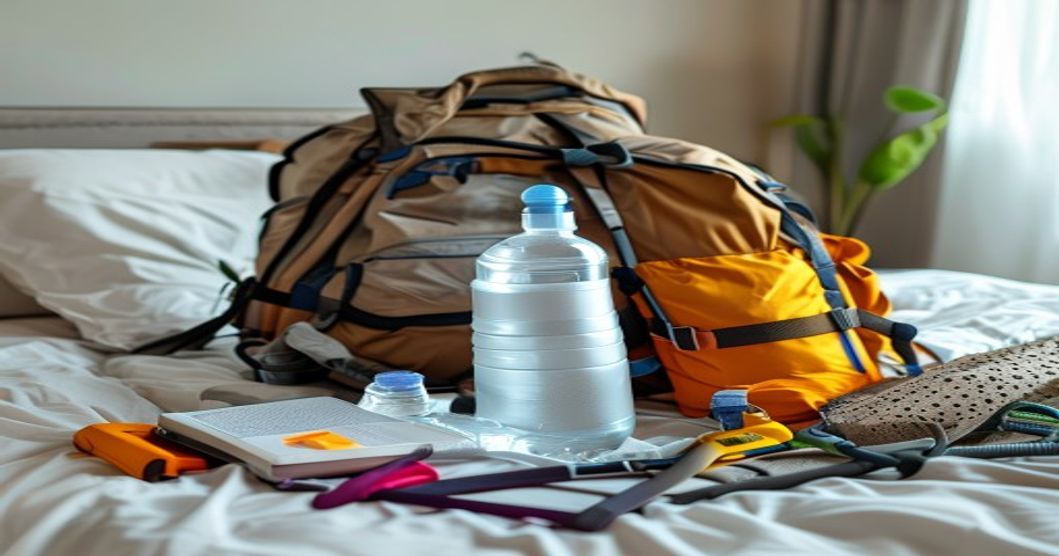
For a comprehensive travel gear setup, consider a dedicated travel backpack with anti-theft features and organization. Keeping all your health and safety items in one place means you’ll remember them.
Recognizing Legionnaires Disease Symptoms and When to Seek Help
Legionnaires disease has an incubation period of 2–10 days after exposure, though symptoms can appear as late as 3 weeks. Early warning signs include:
- High fever (often above 104°F/40°C)
- Persistent cough (may be dry or with phlegm)
- Shortness of breath
- Chills and muscle aches
- Headache
- Nausea or diarrhea (less common)
If you experience any combination of these symptoms during your trip or within 3 weeks after returning home, don’t self-diagnose. See a doctor immediately and tell them:
- Which hotels or cruise ships you stayed at
- The dates of your stay
- Whether you used hot tubs, showers, or thermal pools
- Any respiratory exposure (steam rooms, fountains, etc.)
Your doctor can order a Legionella test (typically a urine antigen test or sputum culture) to confirm diagnosis. Early treatment with antibiotics (usually fluoroquinolones or macrolides) is effective. Left untreated, Legionnaires disease can progress to severe pneumonia, organ failure, and death—which is why swift diagnosis matters.
Important: If you’re part of a group traveling together and multiple people develop respiratory symptoms, notify the property and local health department. Cluster cases signal an outbreak, and authorities need to know so they can investigate and protect other guests.
Higher-Risk Travelers: Extra Precautions
Legionnaires disease is more severe in certain populations. If any of these apply to you, take extra care:
- Age 50+: Risk and severity increase significantly after 50.
- Smokers (current or former): Damaged lung tissue is more vulnerable.
- Immunocompromised: Organ transplant recipients, HIV/AIDS, cancer patients on chemotherapy, or anyone on immunosuppressant medications.
- Chronic lung disease: COPD, asthma, or emphysema.
- Chronic kidney or liver disease.
- Diabetes.
If you’re in a high-risk group, consider skipping hotel hot tubs altogether, wear a mask during showers in unfamiliar properties, and be extra vigilant about testing water temperature. It’s not paranoia—it’s informed caution.
Legionnaires vs. Pontiac fever: Legionella bacteria can cause a milder illness called Pontiac fever (fever and muscle aches, no pneumonia). It resolves on its own in 2–5 days. Legionnaires disease is the severe form with pneumonia. Both come from the same bacteria—the difference depends on individual immune response and bacterial load. Either way, see a doctor if symptoms appear.
Destination Matters: Water Quality by Region
Some destinations have stricter water safety regulations than others, which influences your baseline risk.
Lowest risk (strict regulations, regular monitoring): United States, Canada, Western Europe (UK, France, Germany, Spain), Australia, New Zealand, Japan, South Korea, Singapore. Hotels in these regions are held to high safety standards. You can travel confidently, but still check your room’s water on arrival.
Moderate risk (variable regulations): Eastern Europe, parts of Latin America, Middle East, Southeast Asia. Hotels range from excellent (five-star chains) to basic. Always test water temperature and ask about maintenance. Avoid unfamiliar hot tubs.
Higher risk (less stringent oversight): Parts of sub-Saharan Africa, South Asia, some Central American countries. Stick to well-known hotel chains with international reputation (they maintain standards globally). Still test water and skip non-essential water features.
This isn’t about judging countries—it’s about plumbing infrastructure and regulatory capacity. Legionella is a disease of complex water systems, not poverty. It occurs everywhere, but prevention is harder where regulations are weaker.
Travel Packing Checklist for Water Safety
Here’s a quick reference to keep in your packing list:
- ☐ Digital thermometer (pack in toiletries bag)
- ☐ Bottled water or collapsible refill bottle
- ☐ Hand sanitizer (prevents other infections)
- ☐ Any prescription medications (in original bottles)
- ☐ Insurance card and doctor contact info
- ☐ List of symptoms to watch for (save this article or take a screenshot)
- ☐ Hotel names and dates (write down or screenshot your itinerary)
- ☐ Optional: shower cap, N95 mask (for high-risk travelers)
Pro tip: Use your camera or photography backpack if traveling with gear, or a standard carry-on-sized pack with organizational pockets. The smaller your bag, the less likely you’ll leave safety items behind.
Legionnaires disease is real, but it’s preventable with simple awareness. On arrival at any hotel or cruise, test your shower water’s temperature and let it run. Avoid hot tubs and whirlpools at unfamiliar properties. Drink bottled water in destinations where tap safety is uncertain. If you develop respiratory symptoms within 3 weeks of travel, tell your doctor exactly where you stayed. Most travelers who follow these steps never encounter a problem—and those who do catch it early enough for antibiotics to work. Smart traveling beats worrying.