Travel Backpack with Expandable Compartments for Unpredictable Weather in Europe 2026: Complete Buying Guide
Disclosure: This post may contain affiliate links. We may earn a commission on qualifying purchases at no extra cost to you.
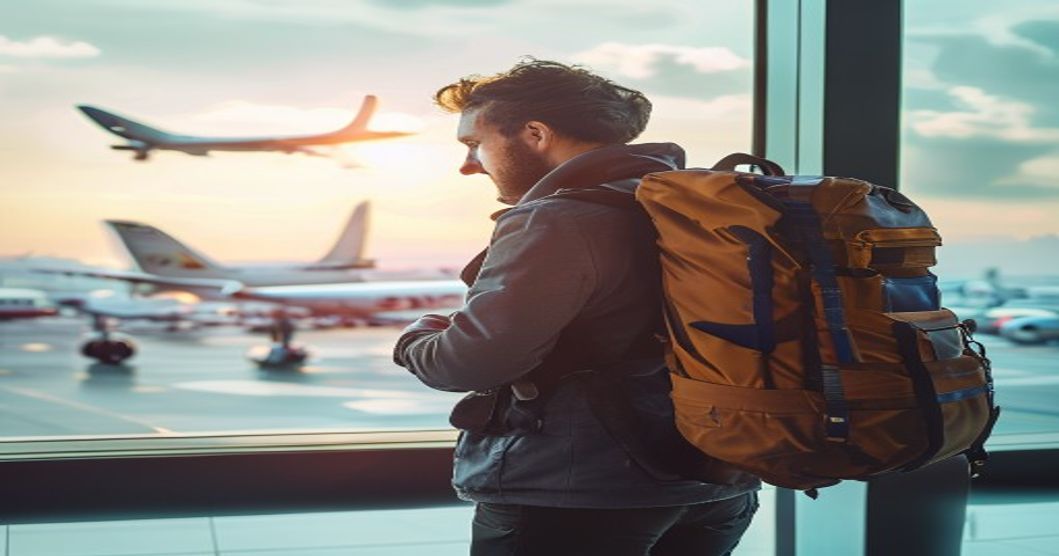
Here’s the mistake almost every first-time European traveler makes: they pack a 65-liter expedition backpack because “more room means more flexibility.” Then they lug an overstuffed, uncomfortable load through the Marais in Paris, squeeze it into overhead bins on budget airlines that charge oversize fees, and never use half of what they brought. Six months later, they realize a 40-liter pack with the right expandable compartments would’ve solved everything.
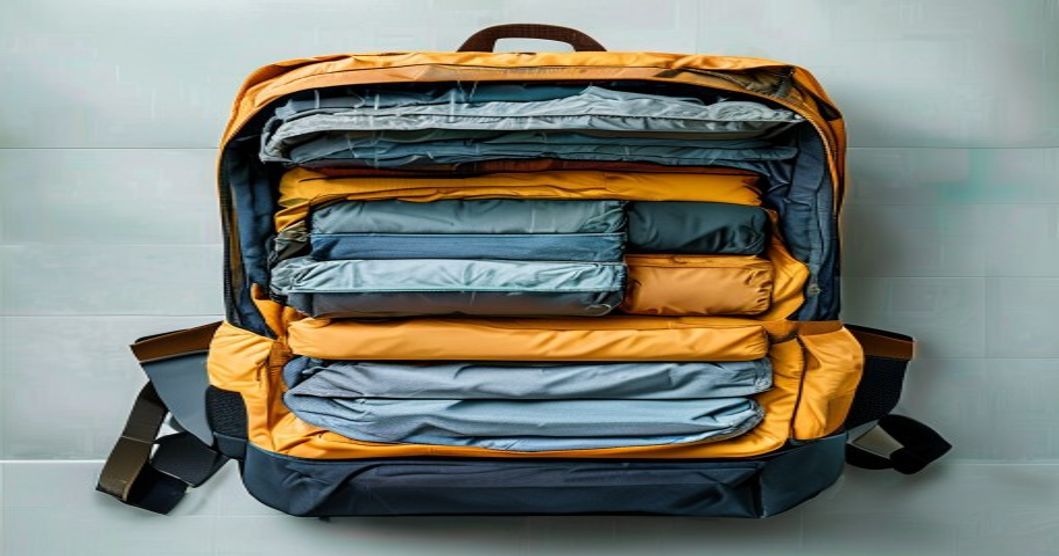
A 40-50L backpack with side or top expandable compartments, padded straps, sealed seams, and water-resistant materials is the practical sweet spot for European travel. Don’t buy based on liters alone—test how it sits on your shoulders and whether the compartments actually expand without destroying seams.
Why Expandable Compartments Actually Matter (and Why Size Alone Doesn’t)
European weather doesn’t announce itself. You’ll be walking through Barcelona in May, suddenly face a 2-hour downpour, and realize your light packing cubes don’t fit the rain jacket you’ll now wear daily. Expandable compartments solve this without making you carry an oversized bag for the entire trip.
Think of it as insurance: your main compartment stays at 30-35L for everyday packing, but side gussets or a top expansion panel grow another 8-12L when weather turns. This is cleaner than a single 50L bag that sits half-empty in summer or feels cramped in shoulder season.
What doesn’t work: marketing photos showing a backpack “expanded to 60L.” That usually means the seams are straining and you’ve lost the comfort and mobility you bought the pack for. Real expandable compartments add 3-5 inches of depth gradually, not a dramatic transformation.
The Features That Survive Europe (and Which Ones Don’t)
Material and Seams: The Hidden Game-Changer
Nobody talks about seams because they’re invisible until they fail at 2 a.m. in a hostel in Prague and your stuff spills everywhere. European conditions—rain, humidity, salt spray near coasts, and the constant pressure of train aisles—destroy weak construction.
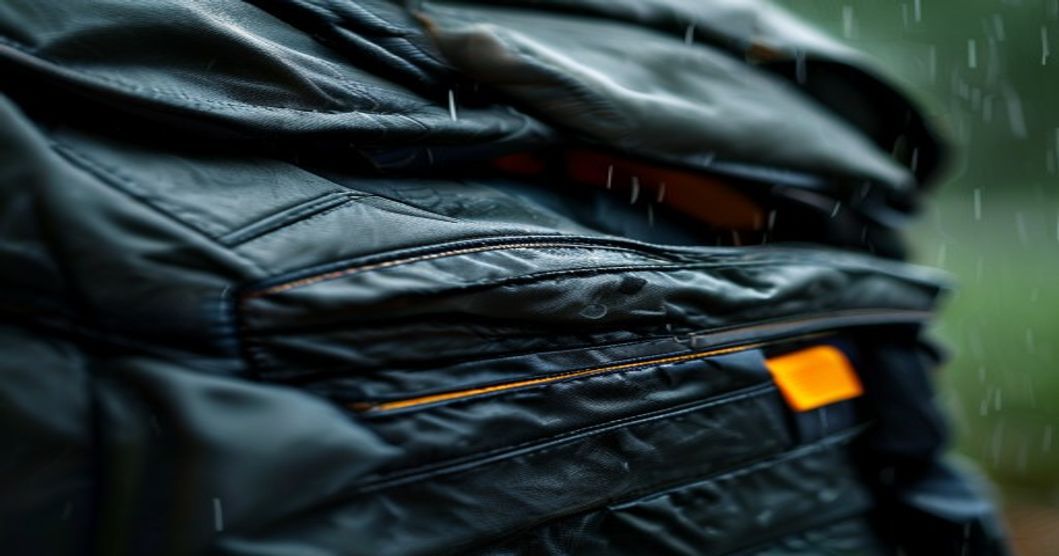
Prioritize sealed seams on the main compartment and base. This is a manufacturing step where the stitching gets taped from inside, blocking water. Ripstop nylon or ballistic polyester is fine; you don’t need Cordura unless you’re hiking. What you need: DWR (durable water repellent) coating and reinforced stress points where straps attach.
Test this before you buy: pour water on a seam. If it beads up and rolls off, you’re good. If it soaks in, walk away.
Straps and Comfort: Why Your Shoulders Matter
Europe’s public transit is unforgiving. You’ll move your backpack on and off 20+ times a day. Padded shoulder straps (at least 2-3 inches wide) with a sternum strap (the small strap that connects across your chest) keep weight centered and prevent shoulder pain. Hip belts are nice if you’re hiking; for city travel, they’re added weight you won’t use.
A backpack that sits high on your back, not sagging, is one you can navigate tight Metro stairs without tripping. Test fit in a store by loading it with books (roughly 15-20 pounds). Does it feel balanced? Does the top stay level to your shoulders?
Side compression pockets (not full expandable compartments—just elastic-sided pockets) are wildly practical for wet jackets, shoes, or a water bottle. They keep damp gear away from your clothes and let you grab things without opening the main pack. Look for at least two on the sides.
Laptop and Organization Compartments
If you’re traveling with a laptop or tablet, a dedicated padded sleeve is non-negotiable. Soft foam, not just air pockets, prevents screen cracks on bumpy trains. Make sure the compartment closes fully—you want no risk of your device sliding out when someone bumps your pack.
Internal pockets (usually 2-3) let you separate socks, chargers, and documents from your main stuff. More pockets doesn’t always mean better; you’ll likely use one or two heavily and ignore the rest. Prioritize depth and durability over quantity.
How to Right-Size: Avoiding the “Too Big” Trap
The backpack industry profits when you buy too large. Brands show 60L packs and say “versatile for any adventure.” Then you load 40L of stuff into a 60L bag, and it’s bunchy, uncomfortable, and drags your shoulders down.
Here’s the honest breakdown:
- Weekend city trips (3-5 days): 30-35L. No expandables needed. You’ll do laundry or buy basics.
- Two to three weeks in Europe (mixed cities, trains, hostel stops): 40-45L main + 5-8L expandable compartments. This fits under most airline carry-on limits and stays comfortable.
- Month+ with minimal laundry access: 45-50L base + expandables. You’re now carrying heavier loads, but the expanded pocket space pays off.
- Over 50L base capacity: You’ve entered the “hiking expedition” zone. Unless you’re trekking and hotel-hopping, you’ve bought too much.
The math: a typical outfit (jeans, shirt, socks, underwear, light layer) takes about 2 liters. Seven outfits fit in 14L. Toiletries and shoes add 3-4L. Chargers, underwear, and socks add 2-3L. You’re at 20-22L of pure necessities. Everything else—extra layers, rain gear, a light sweater—fills those expandable compartments.
Packing Strategy: Using Expandable Compartments Wisely
Step-by-Step Packing for Variable European Weather
Planning a trip in May or September? You’ll hit sun, rain, and chilly evenings across different countries in a single week. Here’s how to pack without waste:
- Start with a packing cube for daily clothes. Roll or flat-stack: 5-7 days of underwear, socks, t-shirts, and one pair of pants. Keep this in your main compartment.
- Pack one heavier layer (sweater or light fleece) in the first expandable compartment. Roll it tight; it’s bulky but necessary.
- Dedicate the second expandable compartment to rain gear and shoes. A lightweight packable rain jacket and waterproof pouch take surprisingly little space when compressed.
- Use side pockets for items you’ll grab throughout the day. Water bottle, snacks, headphones, a small umbrella if you’re not carrying a full jacket.
- Leave about 20% of the main compartment empty initially. You’ll find souvenirs, pick up groceries, or end up with extra stuff by mid-trip. Expandable compartments handle this overflow.
The key: don’t pre-fill expandable compartments “just in case.” Overpack those and you’ve wasted money on expandability. Use them only when the weather or your needs demand it.
Dealing with Rain Without Overcomplicating It
European rain is usually light to moderate, not monsoon-level. A packable rain jacket (the kind that folds into its own small pouch) and a plastic packing cube or dry bag for electronics is usually enough. Full weatherproof covers, rain pants, and waterproof boots are overkill for city tourism.
Your expandable compartment should hold: one thin rain jacket, a compact umbrella, and a plastic bag for wet items. That’s it. If you’re hiking, adjust; if you’re in cities, this is your rain kit.
If you’re shopping for this backpack, try it on with roughly 20 pounds of weight distributed (books in the main compartment, a sweater in one expandable section, shoes in another). Wear it for 10 minutes while walking a store or parking lot. That’s closer to real conditions than standing still in a display. If it pinches your shoulders or the straps dig in, no amount of expandable space fixes comfort.
What to Avoid: Common Backpack Mistakes
- Sealed seams and DWR coating
- Expandable compartments that add 5-8L, not 15L+
- Padded, adjustable straps with a sternum clip
- Laptop compartment if you’re traveling with one
- Compression straps to cinch everything tight
- 40-50L capacity for multi-week trips
- Over-expandable compartments that distort shape
- Thin, unpadded straps (your shoulders will hate you)
- Multiple front pockets that add weight and look cluttered
- 60L+ for city tourism
- Full rain covers instead of DWR material
- Wheels or trolley handles (useless on European trains)
Backpack Maintenance Before and After Your Trip
A quality backpack with expandable compartments is an investment. If you plan to use it multiple times, maintenance takes 10 minutes and extends its life by years.
Before departure: Check all seams visually, test zippers to make sure they slide smoothly, and apply seam sealer if you see gaps. Test the water resistance by spraying seams with a hose. If water seeps through, apply a seam-seal product (available online) and let it cure overnight.
After return: Empty completely, air-dry in sunlight (UV kills mold), and wash the exterior with mild soap and a soft brush if it’s visibly dirty. Let straps and compartments fully dry before storing. Keep it in a cool, dry closet—avoid plastic storage bags that trap moisture.
A well-maintained backpack lasts 10+ years of regular travel. Neglected ones deteriorate seams and straps in 2-3 years. The difference is usually 30 minutes of post-trip care.
Who This Backpack Style Is Right For (And Who It Isn’t)
This Approach Works If You:
- Travel to Europe 2-4 weeks at a time and use public transit (trains, buses, metros)
- Stay in hostels, Airbnbs, or small hotels where you’ll manage your own luggage
- Prefer to move every few days and don’t want a large, cumbersome bag
- Pack light and wash clothes mid-trip or buy basics locally
- Want a backpack flexible enough to handle spring/fall weather surprises
This Doesn’t Fit If You:
- Book hotels with luggage services and prefer rolling suitcases
- Travel with children or need an enormous main compartment
- Stay in one place for weeks and want to unpack fully
- Hike or do backcountry camping (you need a specialized trekking pack)
- Pack heavy business gear, camera equipment, or require a laptop that stays isolated
Related Guidance for Safer, Smarter Travel
As you prepare for European travel, also review practical safety steps. Water safety in hotels and cruises is often overlooked but critical for multi-city trips. If you’re traveling solo or in groups, anti-theft features and RFID blocking in your backpack add peace of mind in crowded transit. And if you’re timing your trip around seasonal events, learn how to pack for meteor-shower camping if you’re in areas with dark skies.
A 40-50L backpack with genuinely useful expandable compartments (not gimmicky oversizing), sealed seams, padded straps, and water-resistant materials will transform European city travel from uncomfortable to actually enjoyable. The expandable feature matters most for shoulder-season trips where weather is unpredictable—it lets you pack light in summer but adjust for rain and chilly mornings without oversizing. Before you buy, test it on your shoulders with weight, pour water on a seam, and honestly ask if you’ll use those compartments or just carry dead weight.
Browse Options on Amazon →
Affiliate Disclosure: This post contains affiliate links. As an Amazon Associate I earn from qualifying purchases. Any links to travel retailers or booking platforms are affiliate links that may earn a commission at no extra cost to you. I recommend products based on genuine utility and buyer feedback, not commission rates.