Best Travel Pillow for Neck Support: Top Picks to Actually Survive Long Flights

Disclosure: This post may contain affiliate links. We may earn a commission on qualifying purchases at no extra cost to you.
You board a red-eye, pop in your earbuds, and hope sleep happens. Several hours later you land with a neck that feels like it lost a fight with the armrest. Ring a bell? That’s usually the moment someone finally caves and actually buys a decent travel pillow — only to discover there are roughly a million options. Cheap inflatable rings. Memory foam contraptions that look like they belong in a sci-fi movie. Everything in between.
This guide cuts through the noise. We looked at actual specs, real traveler reviews, and what actually survives the wear and tear of repeated flights to help you figure out which style works best for how you actually sleep on planes.
Top Pick
Best for frequent flyers and long-haul routes — memory foam actually shapes to your neck and doesn’t go flat mid-flight. Great if you’re the type who leans against the window and falls asleep that way.
Best Value
Good if you’re broke or pack light. Deflates down to almost nothing. Works fine on short flights; on red-eyes though, you’ll notice it just isn’t holding up the way a firmer pillow would.
Premium
Weird but actually smart — built for people who sleep with their chin dropped forward (the aisle and middle seat crowd). Bulkier to pack but solves the whole “my chin is touching my chest” problem that regular U-shapes completely ignore.
Why Your Neck Pillow Actually Matters
Most people grab whatever’s on clearance at the airport gift shop. Those thin foam rings that look like they were designed for something else? They do almost nothing. Your cervical spine gets zero support when you’re basically sleeping upright with only a slight recline.
A real travel pillow does one job: keep your head from flopping. That forward drop — where you jerk awake feeling like you’ve been in a rear-end collision — happens because your neck gets tired and just gives up. The good ones fill the gap between your neck and shoulder, and they stop you from tilting sideways into the aisle or toward your seatmate.
Here’s what most people miss: how you sleep matters as much as the pillow itself. A window seat sleeper who leans left has totally different needs than someone in the middle seat whose head drops forward. We get into that in the comparison section.
The 4 Main Types — What Actually Separates Them
Let’s be straight: there’s a lot of marketing nonsense in this category.
| Pillow Type | Best For | Pack Size | Neck Support Level | Price Range |
|---|---|---|---|---|
| Memory Foam Wrap | Window seat leaner, long haul | Medium–Large | ★★★★★ | Mid–High |
| Inflatable U-Shape | Minimalist packer, short flights | Very Small | ★★★☆☆ | Low–Mid |
| Chin-Support / Tuck Design | Aisle/middle seat forward-head sleeper | Large | ★★★★☆ | Mid–High |
| Microbead U-Shape | Budget buyers, occasional travel | Medium | ★★★☆☆ | Low |
The microbead U-shape worth mentioning — soft at first, feels nice, but the beads shift and compress over time. After a few trips they flatten into a useless clump at the bottom. Fine for a two-hour flight; useless for anything longer.
What Actually Matters When You’re Buying
1. Closure System
This is the one thing people ignore until 3am over the Atlantic when the pillow rotates and suddenly isn’t supporting anything. A snap, toggle, or magnetic closure at the front lets you tighten it snugly against your neck. Without it, you’re constantly adjusting it. It sounds small. It isn’t.
2. Height and Loft
Too little and your head still tilts; too much and it pushes your head forward awkwardly. The sweet spot fills the gap between the seat headrest and your shoulder — roughly the width of your palm, give or take. Adjustable-loft inflatables let you tune this, which is honestly their main advantage over fixed-foam versions.
3. Cover Material
Velvet and fleece feel amazing for the first hour then get sweaty and gross. Bamboo or jersey mesh breathes better on long flights. Either way, get something removable and washable — airplane cabins aren’t sanitary, and this thing lives near your face.
4. Actual Packed Size and Where It Goes
If you’re a one-bag traveler, a full memory foam pillow takes up real space. Some models come with a compression carry bag that clips to your backpack with a carabiner — that’s worth hunting for. While you’re thinking about squeezing more stuff into your carry-on, compression bags do actually free up real room and let you clip the pillow outside.
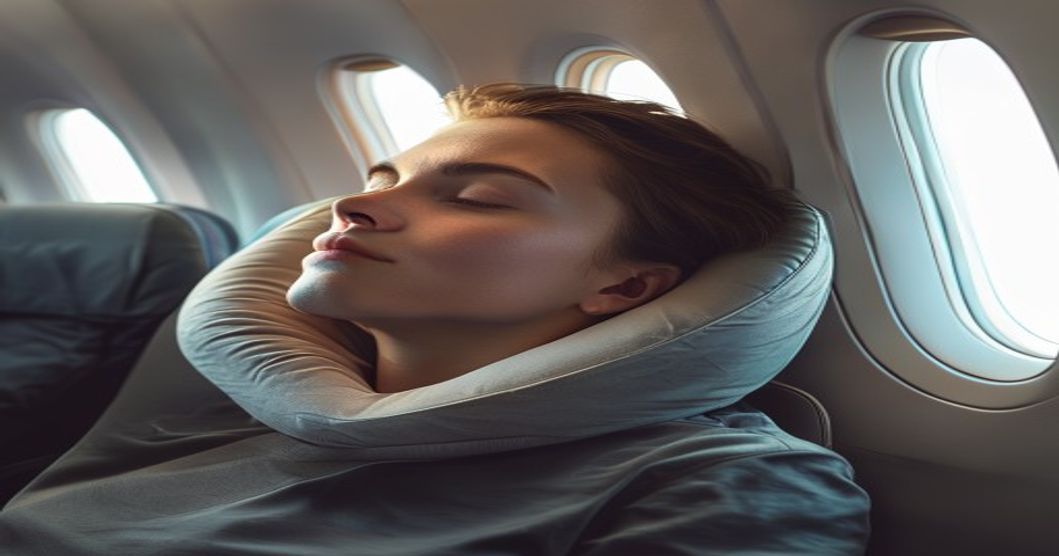
Memory Foam Wrap: What’s Good and What Sucks
- Actually contours to your specific neck shape, not a generic cylinder
- Doesn’t deflate or shift around — support stays consistent the whole flight
- The adjustable closure on most models keeps it from sliding off
- Easy to find washable covers
- Works on trains and car rides too, not just planes
- Takes up meaningful bag space — bulkier than inflatables
- Gets warm against your neck on really long flights
- Costs more than basic inflatable or microbead options
- Foam can compress and lose support if you use it a lot
Is This Actually For You?
Get one if you…
- Take long-haul flights regularly and actually want decent neck support
- Wake up with a sore neck after flights and are sick of it
- Like the window seat and sleep leaning on your side
- Have a backpack or carry-on where you can clip stuff to the outside
- Are willing to spend more because you’re tired of waking up exhausted
Skip it (go inflatable instead) if you…
- Only fly a couple short domestic routes a year — cheap inflatable is fine
- Travel with one small bag and have zero external attachment points
- Can’t sleep on planes no matter what gear you have
- Need to cram everything into a tiny backpack with zero extra space
Travel Pillows on Trains and Long Car Rides
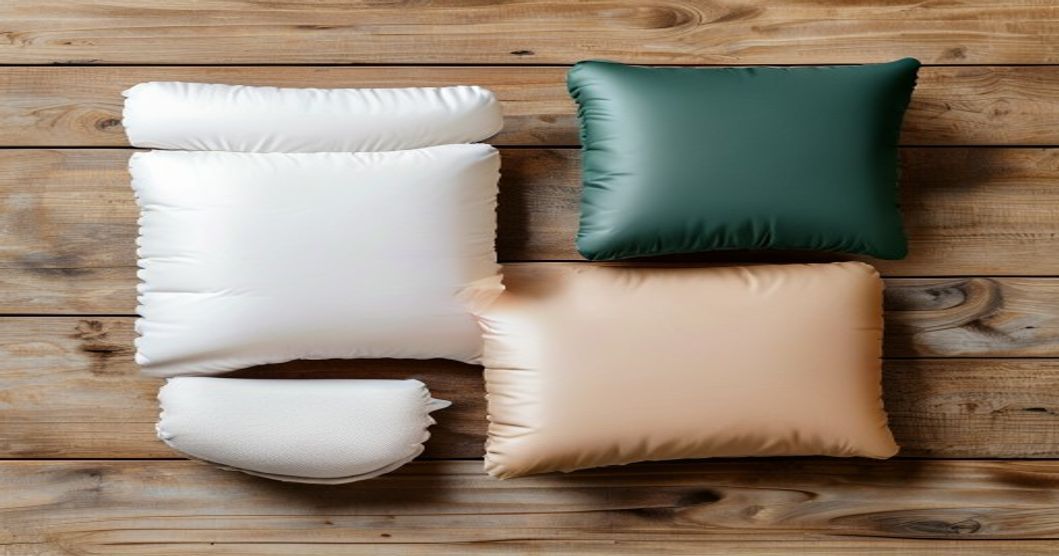
Don’t overlook a good travel pillow for trains, buses, and long drives. Same principle applies — you need something that stops your head from collapsing sideways. Trains especially rack up hours of sitting upright, and a pillow that clips to your bag’s shoulder strap when you’re not using it is way less annoying than stuffing it in every time. While you’re protecting your gear on the move, it’s also smart to know how to prevent luggage damage while traveling — especially if you’re checking bags alongside your carry-on.
How to Actually Pick the Right One
Ask yourself honestly: how do I fall asleep on planes? Window leaner — memory foam wrap with adjustable closure. Head drops forward — chin-support or tuck design. Packing everything into a tiny bag — inflatable with adjustable firmness.
Check Amazon directly for current prices and sizing; this category moves fast and new versions come out constantly. Read the 1-star reviews specifically — that’s where you’ll see if the closure breaks early or if the foam turns into garbage after a few trips. That’s way more useful than reading five stars.
And if you’re building out your whole travel kit, pairing a good neck pillow with the right travel credit card perks can actually get you into better seats where sleep comes easier anyway.
If you’re someone who suffers through long flights with a stiff neck and lands feeling like you didn’t sleep at all, upgrading to a memory foam wrap-style pillow with an adjustable front closure is one of the best bang-for-buck things you can add to your travel kit. It won’t change your life, but it works. Search Amazon for “memory foam travel pillow adjustable” and sort by review count to find what’s actually holding up after real trips.
Browse on Amazon →
Disclosure: This post contains affiliate links and may earn a commission if you make a purchase through them, at no extra cost to you. As an Amazon Associate I earn from qualifying purchases. All opinions are the author’s own based on research and publicly available traveler reviews.