Travel Backpack Under 35 Liters for City Hopping: What Actually Works in 2026
Disclosure: This post may contain affiliate links. We may earn a commission on qualifying purchases at no extra cost to you.
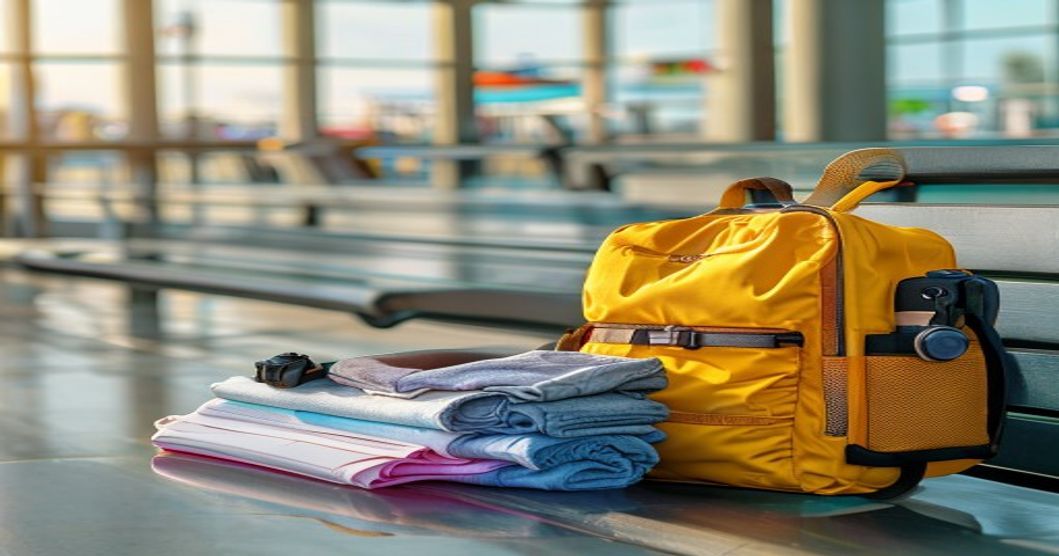
You’re standing in your apartment three hours before your flight, staring at a pile of clothes, and you have to choose: do you really need two pairs of jeans, or can you get away with one versatile pair and a linen pant? Welcome to the world of compact travel backpacks. A 35-liter bag or smaller isn’t about deprivation—it’s about knowing exactly what you’ll actually use, cutting out the weight, and moving fast through cities without feeling chained to your gear.
A compact backpack (28-35L) works beautifully for city-to-city trips when it has quick-access front pockets, a structured main compartment, and a comfortable carry system. Success depends more on smart packing and realistic expectations than on the backpack itself. Start with a 30L baseline and add capacity only if you know you’ll travel for longer stretches or in cold climates.
Why Compact Backpacks Win for City Hopping
Most travelers overestimate what they need. A 35L or smaller pack forces intentional choices—you can’t pack “just in case” shoes or that sweater you might wear once. The payoff: you move faster through airports, train stations fit you comfortably on crowded European trains (not the case with oversized expedition packs), and your shoulders don’t ache by evening.
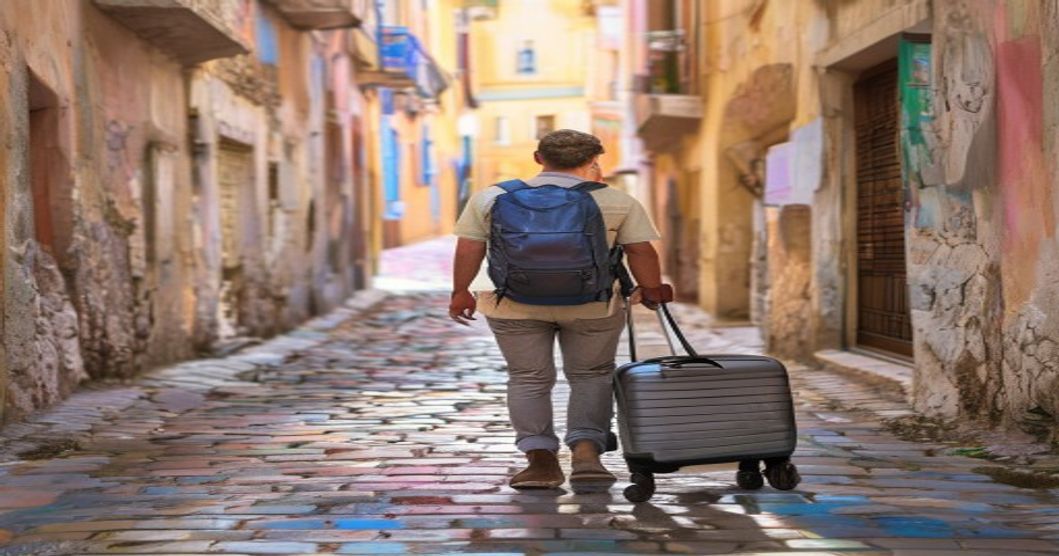
City hopping specifically rewards compact gear because you’re walking miles daily through neighborhoods, navigating stairs in metro stations, and squeezing onto public transit. A bulky backpack becomes an anchor. A 30L pack sits in your sightline, feels agile, and—this matters—fits in most airline overhead bins without drama, even on budget carriers.
The other tactical win: quick-access organization. When you’re changing cities every 2-3 days, you live out of your backpack. Quick-reach pockets for your passport, phone, and daily essentials mean you’re not unzipping your entire pack at customs or searching for your sunglasses while standing in line. This small detail saves time and frustration more than any fancy fabric technology.
The Features That Actually Matter
Quick-Access Front Pockets
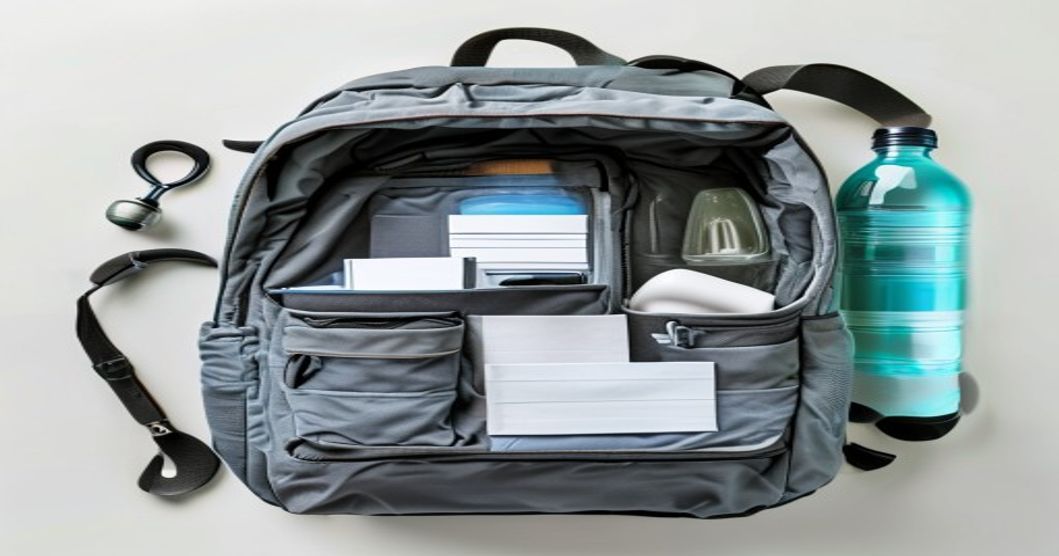
Not all front pockets are created equal. A truly useful one should hold your passport, a small notebook, sunglasses, and a key without bulging or creating stress on the zipper. Look for pockets with a minimum depth of 2-3 inches and sturdy zippers that don’t feel fragile. A zippered compartment that spans the full width of the pack is more practical than skinny vertical pockets.
The real test: can you grab your passport and boarding pass without opening the main pack? If the answer is no, the pocket isn’t practical enough for city travel. Some backpacks include a separate small organizer inside the front pocket—this is genuinely helpful for separating documents from snacks or headphones.
Structured Main Compartment
A flexible backpack that slouches when half-empty looks sad and doesn’t carry well. Structured packs maintain their shape, have reinforced bottoms, and often include a laptop or tablet sleeve. For city travel, you don’t need crazy structure—but the difference between a pack that stands upright and one that collapses is real. Collapsed packs shift weight awkwardly and waste internal space.
Look for a pack with a rigid base panel (usually plastic or dense foam) and sidewalls that don’t cave inward when you pick it up empty. This feature is sometimes overlooked in budget options, but it’s worth paying attention to.
Comfortable Shoulder Straps and Back Panel
Your shoulders will thank you if the straps are padded—not excessively, just enough to prevent digging. Shoulder strap width matters too; straps under 1.5 inches wide can feel sharp on your collarbones after a few hours of walking.
The back panel should have some breathability, especially if you’re traveling in warm climates. A fully padded, non-ventilated back panel traps sweat and feels miserable in summer humidity. Look for panels with mesh or partial ventilation channels. For detailed guidance on ventilated options, check out our guide to backpacks with ventilated back panels for hot climates.
Water Resistance, Not Waterproofing
True waterproofing (sealed seams, roll-top closures) is overkill for city travel and adds weight. Water-resistant fabric with a treated finish and waterproof zippers handles urban rain and occasional spills. Your electronics go in a small packing cube or lined compartment anyway, so a splash-resistant exterior is enough. If you’re trekking in a monsoon climate, that’s a different conversation—but city travel rarely demands true waterproofing.
A simple rain cover (the nylon sleeve that comes with many packs or costs $10-15 separately) covers you better than any “waterproof” backpack and adds almost no weight. Pack it at the bottom of your main compartment and pull it out only in heavy rain.
How to Pack Smart for 5-7 Days
The backpack is half the battle. The other half is knowing what to bring and how to arrange it so you can actually find things. Here’s the realistic approach:
- Start with your base clothes. Choose one bottom (dark jeans or travel pants work across seasons), one neutral-toned light layer (linen shirt or thin sweater), and two-three tops you can mix and match. These five pieces become your foundation outfit that you can recombine across your entire trip. Add one lightweight jacket or cardigan for layering.
- Roll, don’t fold. Rolling saves about 30% of packing space compared to folding. Start with heaviest items (pants, light jacket), then shirts and layers. Rolling also reduces wrinkles and makes it easy to see all your clothes at a glance without excavating the whole pack.
- Use packing cubes for categories. Dedicate one small cube to underwear and socks, another to toiletries, another to cables and tech. This system isn’t just organized—it’s fast. When you arrive in a new city, you grab the cube you need instead of dumping everything out.
- Keep daily essentials in the front pocket. Phone charger, earbuds, a small notebook, pen, and any medications go here so you’re not digging through the main compartment at the hostel or hotel.
- Heavier items low and centered. Electronics, water bottles (fill these at your destination, not in the airport), and shoes go at the bottom against your back. Lighter items go on top. This balances weight across your shoulders and prevents the backpack from pulling backward.
- Ruthlessly minimize shoes. Two pairs maximum: one comfortable walking shoe and one dressier option for evenings or nicer restaurants. Shoes are heavy and bulky. Airport security also moves faster when you have just two pairs.
Size Guidelines: 28L, 30L, or 35L?
| Capacity | Best For | Trip Length | Real-World Weight |
|---|---|---|---|
| 28L | Minimalist travelers, warm climates only | 3-4 days | 8-12 lbs packed |
| 30L | Sweet spot for most city travelers | 5-7 days | 12-16 lbs packed |
| 35L | Travelers packing winter layers or longer trips | 7-10 days | 16-20 lbs packed |
A 30-liter backpack is the Goldilocks zone for most city travelers. It’s large enough for a week without unrealistic minimalism, small enough to feel agile, and it fits nearly every airline’s carry-on limits without question. If you’re traveling to three cities in ten days, a 30L pack keeps you moving fast and forces the discipline to actually use what you bring.
Go smaller (28L) only if you’re confident in minimalist packing or traveling in a warm climate where you need less clothing. Go larger (35L) if you’re adding winter coats, staying in one climate for 10+ days, or you know yourself well enough to admit you’ll pack extra items.
Materials That Survive Real Travel
Your backpack will be thrown in luggage racks, set down on wet sidewalks, sat on by accident, and generally treated roughly. Material choice matters more than brand marketing.
Ballistic nylon: The gold standard. Dense, abrasion-resistant, and durable. More expensive, but it feels premium and lasts for years. If you travel frequently, this investment pays off.
Cordura polyester: Similar benefits to ballistic nylon at a lower price point. Holds up well to wear and resists scuffs. Slightly less durable than ballistic but still excellent for regular travel.
Standard woven polyester: Found on budget packs. Fine for a few trips, but the weave loosens over time and pilling starts to show. If you’re traveling once a year, this is acceptable. If you’re doing city hops multiple times per year, upgrade to Cordura or ballistic.
Avoid pure nylon or loose-weave fabrics that snag easily and look worn after one trip. Zippers matter too—YKK zippers (common on quality packs) outperform cheaper alternatives and are easier to repair if they jam.
Attachment Points and Daypacks
A compact backpack with compression straps on the sides lets you cinch the bag down when it’s not full, which stabilizes weight and makes the pack feel smaller. Molle loops (small webbing squares on the exterior) are nice if you want to attach small pouches, but they’re optional for city travel—you don’t need to hang carabiners and gear off your pack like an expedition climber.
One feature that’s genuinely useful: an attachment point for a small daypack or day bag. Many quality city packs have a loop or hidden attachment so you can clip on a smaller 10-15L bag for daily exploration. This means you can leave your main pack at your hotel and carry just essentials for the day without buying a separate day bag.
Warranty and Real-World Support
A good warranty isn’t marketing—it’s a safety net. Reputable backpack companies offer 5-10 year warranties covering manufacturing defects and often provide free repairs. If a zipper fails after two years of heavy travel, you can ship it in and get it fixed instead of buying a new pack. Read the warranty details before buying, especially if you’re investing in a higher-priced option.
Also check if the company has a reasonable return policy (30-60 days) so you can actually test-pack and wear the backpack around your house before committing. A backpack that feels amazing in a store sometimes pinches your shoulders or feels imbalanced after 20 minutes on the street.
Who This Works For (And Who It Doesn’t)
Good Fit
- Solo travelers or couples who move between cities every 2-4 days
- People traveling in warm months (April-September) with lighter clothing needs
- Anyone who walks 5+ miles daily for sightseeing and values agility over capacity
- Budget travelers who use hostels or budget hotels (less luggage to manage)
- Frequent travelers who’ve learned their exact packing habits and what they actually use
Not a Good Fit
- Winter travelers in cold climates (bulky jackets, thermal layers eat space fast)
- People with mobility issues or significant back pain (30+ pounds in a compact pack isn’t comfortable)
- Photographers or gear hobbyists with heavy equipment (fragile camera gear doesn’t pack efficiently at this size)
- Travelers who want to minimize unpacking (staying in one place for weeks and living out of a suitcase is different from city hopping)
- Anyone unwilling to commit to the discipline of selective packing—if you’re a “just in case” packer, you’ll resent a small backpack
- □ Can you try the pack on, partially filled with books or water bottles?
- □ Do the shoulder straps feel comfortable and not too narrow?
- □ Does the backpack stand upright when empty (good structure)?
- □ Are the zippers smooth and sturdy (test them multiple times)?
- □ Does the front pocket actually fit a passport, sunglasses, and small items together?
- □ Is there a hip belt if you plan to carry 15+ pounds regularly?
- □ What’s the warranty, and does the company have a real repair service?
- □ Have you confirmed the exact carry-on dimensions with your airline(s)?
Additional Resources for Your Trip
Packing well is just one part of travel success. If you’re hopping between cities with different climates or altitudes, managing allergies or unexpected illnesses is equally important. Our guide to travel allergy medication options for international trips covers prescription and over-the-counter strategies so you can travel comfortably.
And if any of your city hopping includes outdoor evening time or you’re drawn to stargazing, check our guide to camping gear for meteor watching—it has portable, lightweight options that fit perfectly into a 35L pack.
A 30-liter backpack with quick-access pockets, a structured design, and comfortable straps is your best partner for city-hopping travel. The backpack itself matters less than your discipline in choosing what to pack and how to arrange it. Start with a 30L pack, commit to rolling your clothes and using packing cubes, and you’ll move faster through cities and enjoy your trip more without the weight of unnecessary gear. Test-wear your pack before committing, prioritize comfort over features, and remember: the lightest backpack is the one you actually use instead of leaving at home.
Disclosure
This article contains affiliate links to travel gear retailers. We may earn a commission if you make a purchase through these links at no extra cost to you. As an Amazon Associate I earn from qualifying purchases. Our recommendations are based on real-world usability and traveler feedback, not commissions.