Best Compression Bags for Travel: Maximize Space and Cut Hassle
Disclosure: This post may contain affiliate links. We may earn a commission on qualifying purchases at no extra cost to you.
The Compression Bag Reality Check: What Actually Works on the Road
I once watched a friend stuff an entire week’s wardrobe—jeans, sweaters, a blazer—into a carry-on using nothing but tightly rolled clothes and prayer. By the time she reached the gate, her bag weighed significantly more and she was convinced every piece inside had fused into a wrinkled brick. That’s when compression bags stopped being a nice-to-have and became the difference between a smooth trip and fighting with overstuffed luggage at every checkpoint.
Here’s the honest truth: compression bags don’t make your stuff lighter. They don’t magically erase physics. What they do is force air out of soft fabric folds and let you stack more efficiently. A sweater that takes up serious space rolled loosely fits into way less space once the air is gone. For someone traveling with one carry-on or trying to fit a week into a small backpack, that matters.
Why Compression Bags Beat Rolling Alone (Most of the Time)
Rolling clothes tightly is free and it works—until you’re at your second airport and you’ve re-rolled the same items multiple times and they’ve expanded like bread dough. Compression bags solve that by creating a sealed envelope. You roll, you place, you zip or drawstring, and the volume stays put.
The practical payoff: you fit more into a standard carry-on without hitting the weight limit. Someone packing five days of clothes in a 22-inch roller can typically squeeze in a couple more days of clothing using compression. On a work trip or a lean vacation, that’s huge. No checked bag, no baggage-claim lines, hands stay free.
Not everything compresses equally, though. Underwear, socks, and t-shirts? They compress great. Pants and jeans? Less so—the fabric’s too thick and doesn’t squash much. A heavy winter coat or puffy jacket? Compression saves a ton of space (puffies especially shrink down dramatically). Shoes, toiletry kits, electronics—they don’t compress at all. They just take up real estate no matter what.
Hand-Roll vs. Vacuum-Seal: Choose Your Weapon
There are two main types out there, and they’re pretty different.
Hand-Roll (Drawstring or Zip-Seal)
These bags have a one-way valve or a simple zip closure. You stuff in your rolled clothes, then either squeeze the air out with your hands (drawstring models) or close the zip and manually press out the air. No pump. Moderate compression that definitely makes a dent in volume.
Why travelers pick these: They’re lightweight (usually under a pound for a set), they work anywhere (no tools or electricity), and you can open and repack mid-trip if you need something buried. Buy a cheap set and losing one or two won’t hurt your wallet.
The downside: They don’t compress as hard as vacuum bags. If you’re trying to squeeze into a tight space, you’ll get moderate reduction, not maximum. Also, fly somewhere and the pressure changes might loosen them slightly.
Vacuum-Seal (Hand Pump or Electric)
These come with a hand pump (or you bring your own, or hunt one down at your hotel). Load the bag, seal the zip, pump air out repeatedly. Much more aggressive compression—often cuts volume way down.
Why some travelers love them: Maximum compression in a compact footprint. Perfect if you’re packing for a long trip into a tiny space or storing seasonal stuff.
The catch: Hand pumps take real effort and time (several minutes per bag). Electric pumps exist but aren’t exactly travel-friendly. Once sealed, need one item? You’re pumping the whole bag again. For a week where you’ll grab clothes daily, that gets old fast. Hand pumps also add weight (usually a pound or more) and another thing to remember.
Verdict: For most travel, hand-roll wins. Faster, no equipment needed, you can repack easily. Vacuum works best for storage that stays put (seasonal clothing, dorms, moving) or very long trips where you pack once and seal it up.
What to Pack Into Compression Bags (and What Not To)
Not everything belongs in a compression bag. Pack strategically and you get the space savings without wrecking anything.
Best candidates: T-shirts, underwear, socks, lightweight sweaters, yoga pants, casual pants (they compress reasonably), shorts, lightweight jackets, fleece layers, pajamas, summer dresses. Also works great for bulky stuff like beach towels or lightweight blankets if you’re hauling those.
Avoid or be careful: Delicate silks or expensive knitwear (pressure can set wrinkles permanently). Heavy denim or thick wool—barely compresses and wastes bag space. Anything with sharp edges (shoes, electronics, books) because they can puncture the bag or poke holes when pressure hits. Formal wear that needs to look pristine; compression invites wrinkles. Cosmetics or liquids—seal fails and you’re in trouble.
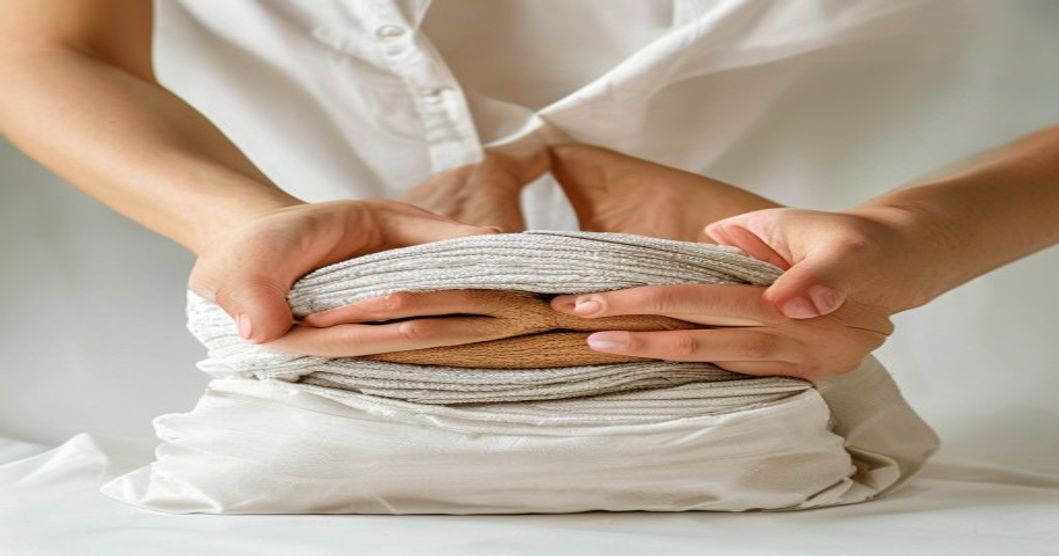
Pro tip: put heavier items (jeans, sweaters) at the bag bottom, lighter layers on top. Roll each item individually before putting it in—don’t just shove a wadded mess and hope. A well-rolled item compresses better and emerges less wrinkled.
Size and Quantity: How Many Do You Actually Need?
Most travelers get by with one to three compression bags per trip, depending on how long you’re going and your packing style. A single large bag holds about a week of casual clothes when compressed. A medium bag is perfect for a weekend or for packing a puffy jacket. A small works for socks and underwear or for layering inside a larger suitcase.
Here’s where people mess up: they buy a big set, use one, and carry the rest empty forever. Start with one or two in different sizes. If you travel a lot, you’ll quickly figure out which ones you actually use. If you barely travel, one medium bag probably covers it.
Weight counts on multiday backpacking trips or when luggage space is tight. Quality hand-roll bags are light (a few ounces each). If you’re backpacking with weight limits, that’s worth noting—a couple bags might add modest weight. For regular suitcase travel, it’s barely noticeable.
Durability: What Survives a Real Trip
Cheap compression bags fail in two ways: the seal weakens after a few uses (gradually leaking air mid-journey) or the zipper breaks from being opened and closed repeatedly. Neither is a disaster—your clothes just expand back to normal—but it’s aggravating.
Look for bags with reinforced zippers, solid plastic construction, and a reliable one-way valve (for hand-roll models). Brands that offer warranties usually back their durability; that’s a good signal. That said, compression bags aren’t forever. Quality ones should hold up fine with regular travel use. Worth the investment.
Skip ultra-cheap bags (budget two-packs at rock-bottom prices) unless you’re treating them as single-use. They tend to give up quickly.
Travel Day Packing: The Compression Bag Workflow
Here’s how compression bags actually fit into packing:
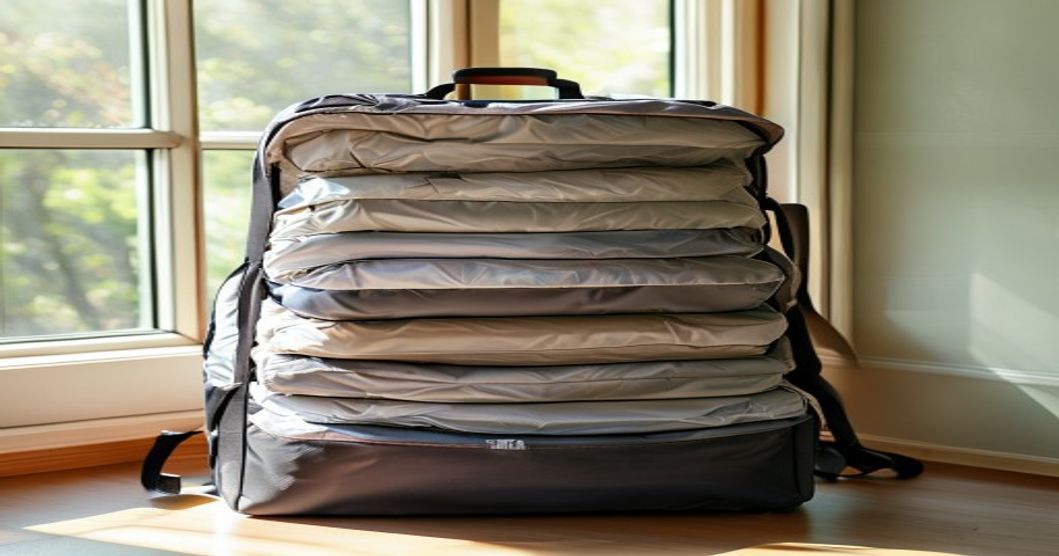
For a carry-on trip: Pack hard items (shoes, toiletries, electronics) into the main luggage first, in the bottom sections. Use compression bags for soft items (clothes, light jackets) on top. You maximize space and keep your bag under airline weight limits.
For checked luggage with a carry-on: Put all your soft clothes into one or two compression bags in the checked luggage, bottom first. Fill around them with shoes and heavier items. You pack more and have flexibility on the way back (room for souvenirs). Bring a small or medium compression bag in your carry-on for a change of clothes or that awkward bulky sweater—in a bag, it doesn’t take over your other stuff.
For backpacking: Use compression bags as internal organizers. One for clothes, one for sleep layers, one for toiletries. Your backpack stays organized, you find things without emptying everything, and overall volume drops. Hand-roll bags shine here—you can access and repack quickly at camp.
One habit that pays off: compress your clean clothes at the hotel mid-trip. By day three or four, your backpack or roller has settled and clothes have re-expanded. Re-rolling and compressing gives you breathing room for laundry, souvenirs, or just peace of mind.
Related Gear and Planning
Compression bags are part of a bigger travel packing picture. If you’re serious about fitting everything into minimal luggage, a quality carry-on luggage that actually fits airline dimensions is step one—compression bags can’t save a bag that’s already oversized. Pairing compression bags with a travel adapter and other smart gear helps too.
Also worth considering: if you travel for business and want to maximize rewards on travel credit cards, lighter luggage means lower baggage fees and fewer checked-bag surprises, which saves money over time.
The Real Talk on Wrinkles and Maintenance
Compression creates wrinkles. Especially with natural fibers like cotton and linen. You can’t completely avoid it. What you can do: unroll your clothes the second you arrive and hang or lay them flat for a bit. Most wrinkles release naturally. Heavy fabrics (denim, wool) wrinkle less; lightweight cotton wrinkles more.
If you’re packing something that needs to stay pristine (a formal outfit, silk blouse), skip compression. Carry it loose or uncompressed in a garment bag. The tiny space trade-off is worth it for something you’ll actually wear to dinner.
After your trip, empty the bags, wipe the insides dry (moisture buildup is rare but possible), and store them flat or rolled—not stuffed tight. They’ll last longer.
Who Compression Bags Work For (and Who They Don’t)
Compression bags are a win if you: Travel with a single carry-on often, pack light for short trips but want options, live in a climate with seasons (you need to rotate clothes and storage is tight), backpack with weight or volume limits, or frequently feel rushed when packing and want a faster, more organized system.
Skip them if you: Travel with multiple large suitcases and have space to burn, pack only luxury items or delicates that wrinkle easily, barely travel, or prefer to keep your luggage simple and tool-free. They’re also less important if you’re a minimalist packer who travels with just a few outfits that fit in a personal item.
The Bottom Line
Compression bags are one of the most underrated travel hacks. They’re cheap, lightweight, and actually save space for soft clothing and bulky outerwear. Hand-roll versions (drawstring or zip-seal) are the way to go for real travel because they work anywhere, repack easily, and no pump required. Start with one or two quality bags in different sizes rather than a whole set. Roll your items gently to minimize wrinkles, don’t overstuff delicate fabrics, and unroll everything when you arrive to let wrinkles release naturally.
For most travelers, compression bags are worth the investment. They make packing faster, more organized, and less stressful. They won’t transform your travel, but they’ll eliminate one small frustration on every trip—and that adds up.
Ready to streamline your packing? Check out quality compression bags on Amazon and start with a single medium bag to see if they work for your travel style.
Affiliate Disclosure
This article contains affiliate links. If you purchase through these links, I may earn a small commission at no extra cost to you. As an Amazon Associate I earn from qualifying purchases. All opinions and recommendations are my own, based on honest research and real traveler experiences, not on affiliate incentives.