Best Camping Gear for Watching the Perseid Meteor Shower 2026: A Traveler’s Guide
Disclosure: This post may contain affiliate links. We may earn a commission on qualifying purchases at no extra cost to you.
Most people who try to watch a meteor shower for the first time show up with a beach chair, zero insulation, and the surprised realization at 11 p.m. that sitting still outside in August isn’t as warm as they assumed. I’ve watched this happen at nearly every public stargazing event—someone packs light, the temperature drops 20 degrees after sunset, and they’re shivering through the show they drove an hour to see.
The Perseid meteor shower 2026 deserves better gear than a lawn chair. Bring a sleeping bag rated for cooler temps than you expect, a reclining camp chair for comfortable viewing, and proper insulation layers—the difference between a miserable night and an unforgettable one comes down to comfort planning, not expense.
The Real Mistake Everyone Makes Before Meteor Shower Camp Trips
Watching a meteor shower sounds simple: find a dark spot, lie down, look up. But the “lie down” part trips most first-timers. The ground is hard. The sky-watching position puts your neck at an awkward angle. And the temperature drop after sunset is dramatic—even in summer, nights at elevation or in open fields get cold fast, especially when you’re sitting still and not generating body heat from activity.
People also underestimate how long they’ll actually stay out. A “quick drive to see the shower” turns into “I want to stay for two hours to catch the peak,” which turns into a full night under the stars. Once you’re committed, comfort gear stops being optional.
The good news: you don’t need expensive equipment. You need the right equipment—and that’s different.
Start with the Sleeping Bag (Seriously)
This is the single most important thing you’ll bring, and most people get it wrong. They grab whatever sleeping bag is at home, often a summer-weight bag rated for 50°F. Summer nights in dark sky areas often drop to 45°F or lower, especially at elevation. You’ll be cold.
Here’s what works: a sleeping bag rated for at least 20 degrees cooler than the nighttime temperature forecast. If the low is predicted to be 50°F, bring a bag rated for 30°F. That 20-degree buffer accounts for the fact that you’ll be sitting still (not moving to generate heat), the forecast might be off, and a good night matters more than saving two pounds of pack weight.
You don’t need to buy new. A quality used bag from a secondhand outdoor store or marketplace works fine. What matters: the bag’s actual insulation (down or synthetic), its shape (mummy bags are warmer but less comfortable for sitting; rectangular or semi-rec bags let you move around), and whether it zips open fully so you can layer inside it while stargazing.
Test it at home first. A cold sleeping bag ruins a trip faster than almost anything else.
The Viewing Setup: Comfort Over Style
Once you’ve solved the warmth problem, the second mistake is trying to watch from the ground or a flat sleeping bag. Neck strain is real. After thirty minutes looking up with your head flat, your neck will hurt.
A reclining camp chair is the answer. Not a folding lawn chair—something that tilts back so you’re looking upward without straining. These run anywhere from thirty to eighty dollars depending on brand and features. What to look for:
- Recline angle: at least 45 degrees, ideally closer to 60-70 degrees so your face points upward without your head hanging off the back.
- Cup holder or armrest storage: not glamorous, but you’ll appreciate it when you need to set down a thermos or flashlight.
- Weight capacity: check it. Some ultra-light camp chairs have real limits.
- Portability: if you’re hiking to a darker spot, something that fits in a backpack matters. If you’re car camping, weight matters less.
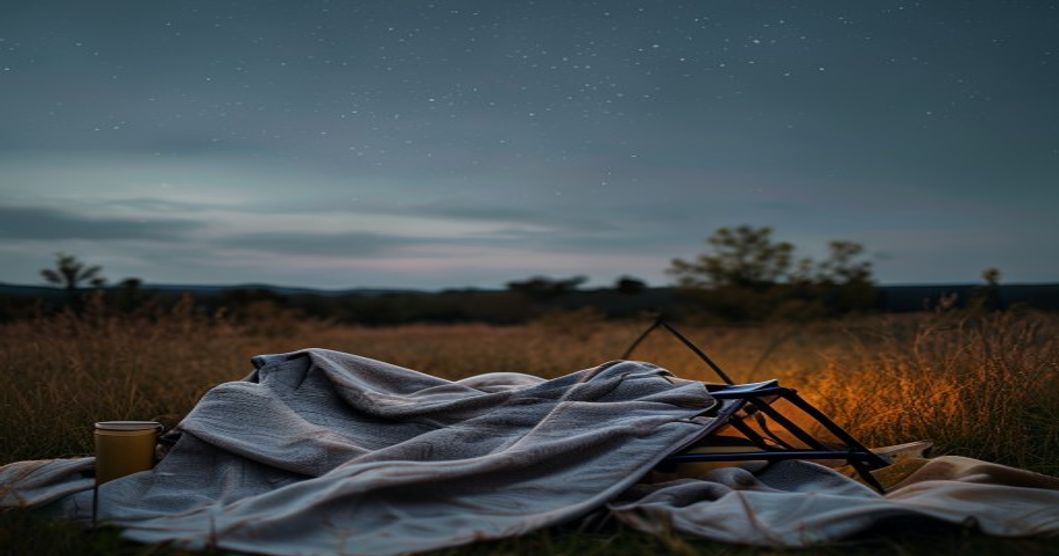
Drape your sleeping bag over the chair, layer a blanket on top, and you’ve built a cocoon that lets you watch for hours without getting cold or uncomfortable. This setup—sleeping bag plus reclining chair plus blanket—costs under a hundred dollars total and transforms the whole experience.
Layers Are Not Optional (Even in Summer)
Here’s where a lot of gear advice gets vague. Let me be specific: bring a moisture-wicking base layer (cheap merino wool or synthetic leggings and a long-sleeve top), an insulating mid-layer (fleece or lightweight down jacket), and a wind-resistant outer layer (even a light rain jacket works). Even if it’s warm when you leave home.
Why? Wind picks up at night. Your body cools down when you’re not moving. Damp grass or moisture in the air matters. And once you’re cold, it’s hard to warm back up sitting still.
Cotton is your enemy. It holds moisture and loses insulation when damp. Wool and synthetics keep you warm even when wet, and they’re not as expensive as people think.
Bring a warm hat. Most heat loss is through your head—this is actually true, not just a myth. A simple wool beanie or fleece hat takes up almost no space and saves you from shivering.
Light Control and Night Vision
Bring two lights: a red-light headlamp or flashlight (the kind where you can switch to red mode), and a regular bright flashlight for camp setup and emergencies. The red light preserves your night vision while you’re stargazing—white light destroys it for 20-30 minutes after looking at it.
Most headlamps under thirty dollars have a red-light setting. Test it first so you know how to switch modes in the dark. And be respectful—if others are stargazing nearby, avoid pointing any light at them or into the sky.
Bring extra batteries. Cold drains them faster than you’d expect.
Food, Water, and Comfort Items
You’ll be outside for hours. Bring more water than you think you need—dehydration makes you feel colder. Bring easy snacks: granola bars, nuts, dried fruit, chocolate. Warm drinks are a game-changer. A thermos of hot tea or coffee takes up one bottle’s worth of space in your pack and morale boost is huge.
A small towel or cloth is useful for wiping dew off blankets or your face. Wet wipes let you freshen up. A basic first-aid kit is smart (blister packs, pain relief, antihistamine) in case something goes wrong.
Bathroom access depends on where you’re camping. If facilities are limited, bring hand sanitizer and know where the nearest bathroom is. This isn’t glamorous, but it matters for a comfortable night.
Tent or No Tent? And Where to Go
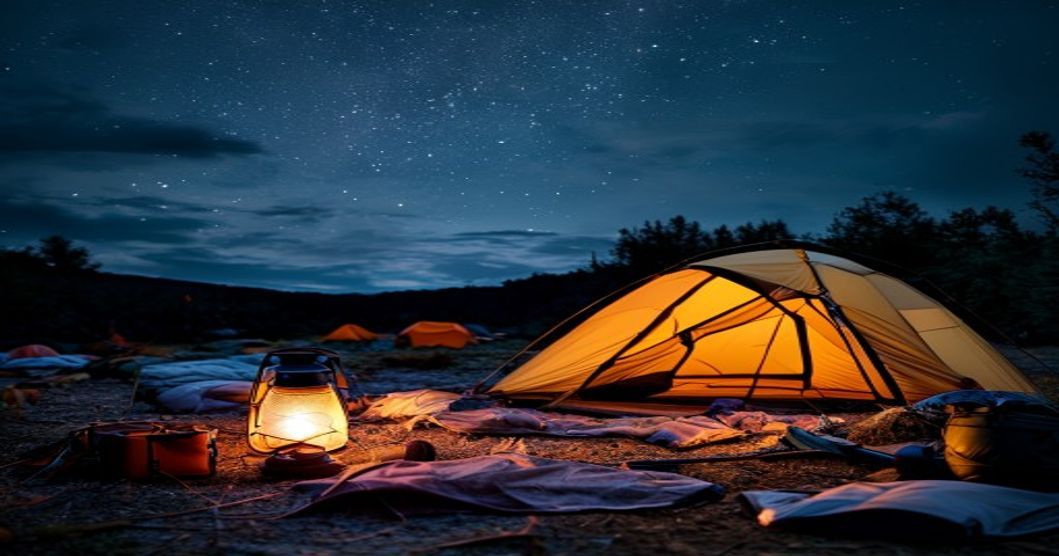
A tent is optional if the weather forecast is clear and you’re comfortable with open-air camping. Many experienced stargazers use just a sleeping bag under the stars. If bugs are bad in your area, a lightweight tent with good ventilation or a bug-net canopy keeps them out without blocking the sky.
Location matters enormously. Light pollution ruins meteor viewing. Find a dark sky location away from cities—astronomy websites and apps like Stellarium show light pollution maps. Even a 30-minute drive from the city makes a huge difference. Check if the location requires permits or has specific rules (some areas have fire restrictions or require reservations).
If you’re camping at a designated campground, many parks stay open during the peak Perseid nights—book early because stargazers plan ahead. If you’re finding a dark-sky site on public land, scout it during the day if possible so you know the terrain and can set up safely in the dark.
Tell someone where you’re going and when you expect to be back. Especially if you’re going solo.
The Gear You Don’t Actually Need
Skip the telescope or binoculars for meteor watching. Meteors move fast and cover a wide area of sky—your unaided eye is actually better for viewing than magnified optics. Binoculars and scopes work for planets and deep-sky objects, but not for shower watching.
Skip fancy camping stoves and cooking gear unless you’re planning multiple nights. Simple pre-made meals or cold food keeps setup minimal and leaves more room in your pack for comfort gear.
Skip ultra-light backpacking gear if this is your first meteor shower trip. Standard camping gear is cheaper, more comfortable, and just as functional. Ultralight becomes worth it once you’re doing this regularly and know what you actually use.
A Practical Packing Flow
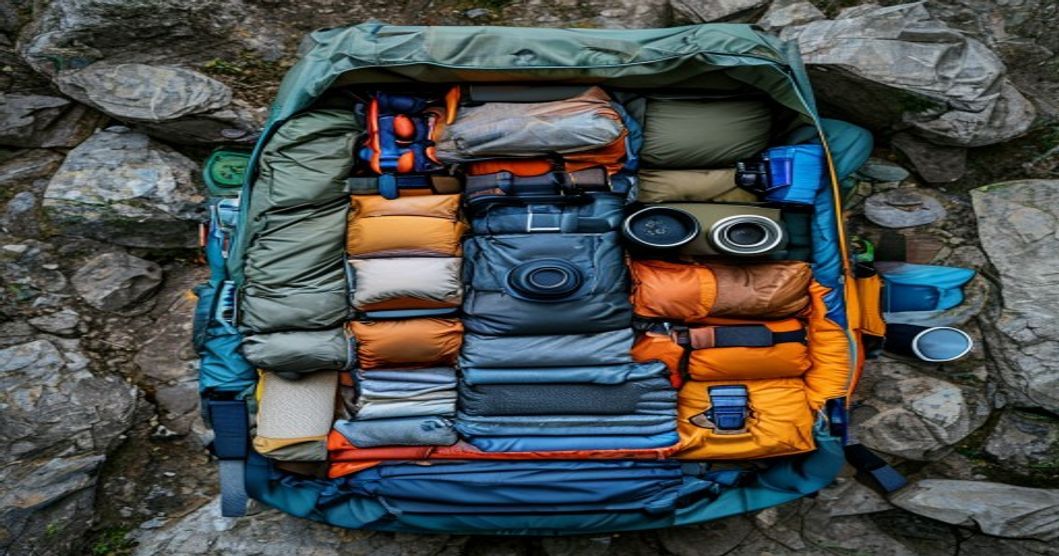
The night before your trip, lay out everything in these categories: sleep system (sleeping bag, pad if you’re using one), layers (base, mid, outer), viewing gear (chair, blankets), lights (headlamp, flashlight), and sustenance (water, thermos, snacks). You’ll likely spot something you forgot.
If you’re driving, throw it all in a car and relax—weight and bulk don’t matter. If you’re backpacking to your viewing site, prioritize what goes in the main pack: sleeping bag, chair (or hammock alternative), one blanket, layers, lights, water. Less matters more.
For related packing advice on multi-day trips, check out our guide on travel backpacks with expandable compartments for unpredictable weather—those storage strategies work for camping trips too.
Real-World Comfort Choices That Matter
A camp pillow or a pillow you bring from home is worth the space. Lying flat is uncomfortable; having neck support turns hours of stargazing from an endurance test into something you actually enjoy.
A foam sleeping pad matters if you’re sleeping on the ground—it’s insulation between you and the cold earth, not just comfort. Even a cheap one makes a difference.
If you have any sensitivity to bug bites or the cold, bring antihistamine and extra insulation. There’s no prize for suffering through a meteor shower.
Charge your phone and bring a portable charger. You’ll want to take photos, and a dead phone is frustrating in the dark.
The Honest Final Setup
Here’s what works based on what other travelers actually bring: a quality sleeping bag (rated warmer than the forecast), a reclining camp chair, layers, blankets, a headlamp with red-light mode, a thermos, snacks, water, and a plan for where you’re going and how you’re getting there.
The total cost for most of this gear is under two hundred dollars if you’re buying new, less if you borrow or buy secondhand. The payoff is a genuinely comfortable night watching one of the year’s best meteor showers—the kind of night you actually remember instead of the kind you endure.
For a more detailed breakdown of essential travel gear for outdoor trips, our guide on travel backpacks with anti-theft features for solo travelers covers durable gear that works for extended camping and adventure travel too.
The Perseid meteor shower 2026 is worth planning for, and good gear doesn’t have to be expensive. Prioritize a sleeping bag rated for cooler temps, a comfortable viewing chair, and proper insulation layers. Everything else flows from those three decisions. The difference between a cold, miserable night and an unforgettable one is less about money and more about thinking through comfort before you leave home.
Ready to gear up? You can find reliable sleeping bags, camp chairs, and outdoor layering pieces on Amazon (check current prices and reviews). Start with the sleeping bag—it’s the foundation everything else builds on.
Affiliate Disclosure: This article contains affiliate links to Amazon and other retailers. We may earn a commission when you purchase through these links at no extra cost to you. As an Amazon Associate I earn from qualifying purchases. All recommendations are based on honest evaluation of gear that works for the stated purpose, not affiliate relationships.