Best Travel Backpack Under 2kg for Southeast Asia: Lightweight vs. Durable Comparison 2026
Disclosure: This post may contain affiliate links. We may earn a commission on qualifying purchases at no extra cost to you.
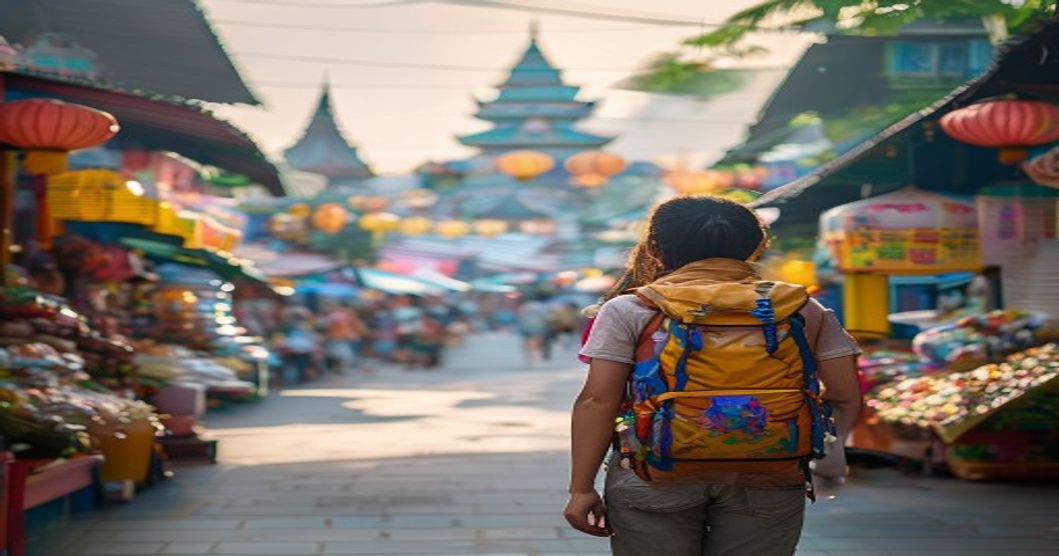
If you’re planning a Southeast Asia backpacking trip on a budget, your pack weight matters more than you think. Every kilogram you carry is a kilogram your shoulders bear through Bangkok’s Grand Palace, up limestone cliffs in Krabi, and across chaotic Hanoi streets. A backpack under 2kg empty means you start your trip ahead—less strain, faster movement, and fewer complaints from your body when you’re on the hundredth day of travel.
A 30-32L backpack weighing 1.2–1.8kg gives you the sweet spot for Southeast Asia if you pack ruthlessly and do laundry weekly. Prioritize comfort (padded hip belt, breathable back panel) over gimmicks—your shoulders will thank you more than a fancy pocket will.
Lightweight vs. Feature-Rich: The Core Trade-Off
When you’re hunting for an ultralight backpack, you face a real choice: go minimal and featherweight, or accept 300–500g more weight for extra pockets, a rain cover, and padding that actually protects your stuff.
Extreme ultralight packs (under 1kg) feel magic on your shoulders but come with tradeoffs. You get less organization, thinner straps (which dig in if you overpack), and sometimes sketchy zippers that fail by week three. Budget travelers often discover this the hard way.
Mid-weight ultralight packs (1.2–1.8kg) are where most smart Southeast Asia travelers land. They weigh next to nothing, still have a proper hip belt and back panel, and won’t self-destruct when you toss them in a tuk-tuk or stuff them under a bus seat.
| Category | Extreme Ultralight (<1kg) | Smart Ultralight (1.2–1.8kg) | Lightweight Plus (1.9–2.2kg) |
|---|---|---|---|
| Empty Weight | 800–950g | 1200–1800g | 1900–2200g |
| Typical Capacity | 25–28L | 30–35L | 35–45L |
| Hip Belt Quality | Minimal or none | Padded, functional | Heavily padded |
| Durability (Real-World) | Good if used gently; zippers can fail | Excellent; handles rough handling | Excellent; most durable |
| Best For | Ultralight hikers, minimalist nomads | Budget backpackers, week+ trips | Comfort-first travelers, mixed itineraries |
Why 30–32L is the Sweet Spot for Southeast Asia
Southeast Asia hostels are tight. You’re not doing car camping or multi-week wilderness trips where bigger is safer. You’re moving every few days, using laundry services that cost $1–3, and squeezing your pack into overhead bins on budget airlines.
A 30L pack (empty weight 1.3–1.6kg) ticks every box: big enough to avoid repacking daily, small enough to avoid checking bags, light enough that you can walk hours without pain. You’ll pack it ruthlessly—that’s the deal—but ruthless packing is how budget travelers actually travel.
If you choose 35L, you’ll fill it. Every single pocket. Travelers do this unconsciously, and suddenly you’re hauling 13–14kg to the train station instead of 10kg.
Durability: Ripstop Nylon vs. Ultralight Fabrics
Budget ultralight packs often use ripstop nylon (around 210–330 denier) because it balances weight and toughness. It survives bus journeys, tuk-tuk throws, and accidental jabs from hostel corner edges. It’s not bulletproof, but it works.
Some ultralight packs go thinner (100D mesh or specialty films) to save grams. Those are fine if you’re gentle. But if your backpack has to survive a hostel floor, a 10-hour bus ride, and a hike through wet jungle, standard ripstop is the honest choice.
Zippers matter hugely. Cheap zippers on budget ultralight packs fail around week four. Look for YKK or comparable branded zippers in reviews—it’s worth the small cost bump.
The Hip Belt Isn’t Optional
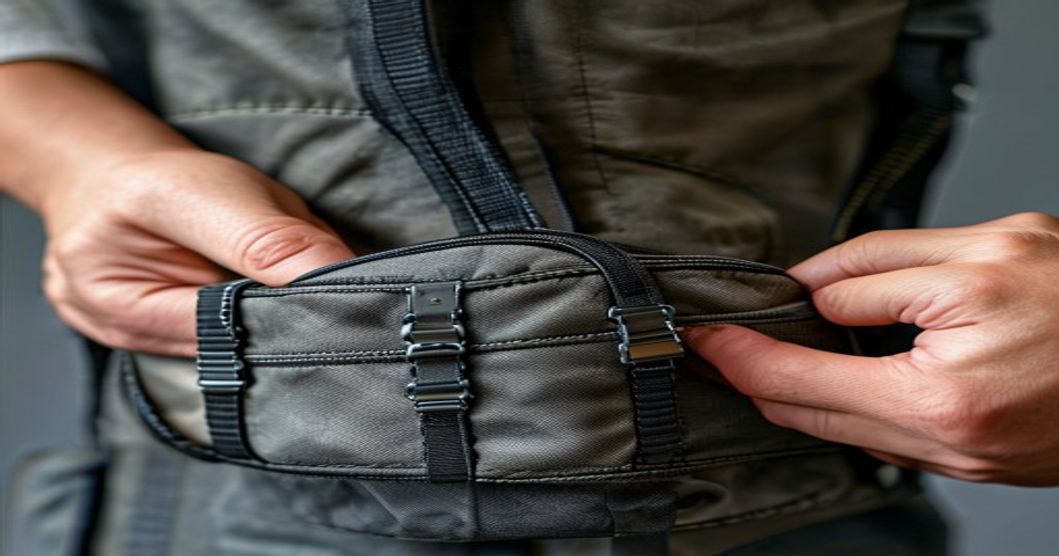
A padded hip belt transfers 60–70% of the pack’s weight to your hips instead of your shoulders. On day three of a Thailand trip, when you’re walking 20,000 steps in 35°C heat, this matters.
Extreme ultralight packs sometimes skip the hip belt or use a thin one that doesn’t really work. If you’re under 1kg-obsessed, fine. But if you can live with 1.3–1.6kg, a real hip belt is non-negotiable.
Check reviews for “hip belt comfort” and “weight distribution.” Actual travelers will tell you if it’s real or fake.
- Minimal shoulder fatigue after hours of walking
- Fits airline carry-on restrictions easily
- Less heat against your back in hot climates
- Easier to move quickly through crowded streets
- Lighter overall load on knees and joints over weeks
- Less padding = higher injury risk if overloaded
- Fewer organization pockets (everything crammed)
- Thinner materials can wear faster if mistreated
- Limited rain protection (you’ll buy a cover separately)
- Tighter on comfort if you pack more than planned
Compare Your Real Use Case
Choose an ultralight pack (1.3–1.6kg, 30L) if: You’re doing a Southeast Asia loop (Thailand, Cambodia, Vietnam, Laos) for 3–6 weeks. You’re comfortable laundry-washing in hostels. You don’t need cubbies for every item. You prefer less shoulder strain over pocket convenience.
Choose a lightweight-plus pack (1.8–2.2kg, 35L) if: You’re mixing beach time with city exploration and want room for a light rain jacket, books, or camera gear. You dislike repacking. You want maximum hip belt padding and backup organization. You’re less disciplined about minimalism and prefer comfort.
Skip extreme ultralight (<1kg) unless: You’re already a minimalist hiker and you know your limits. You’re doing a short trip (under two weeks). You don’t mind fragile zippers or thin straps.
Practical Packing for a 30L Ultralight Pack
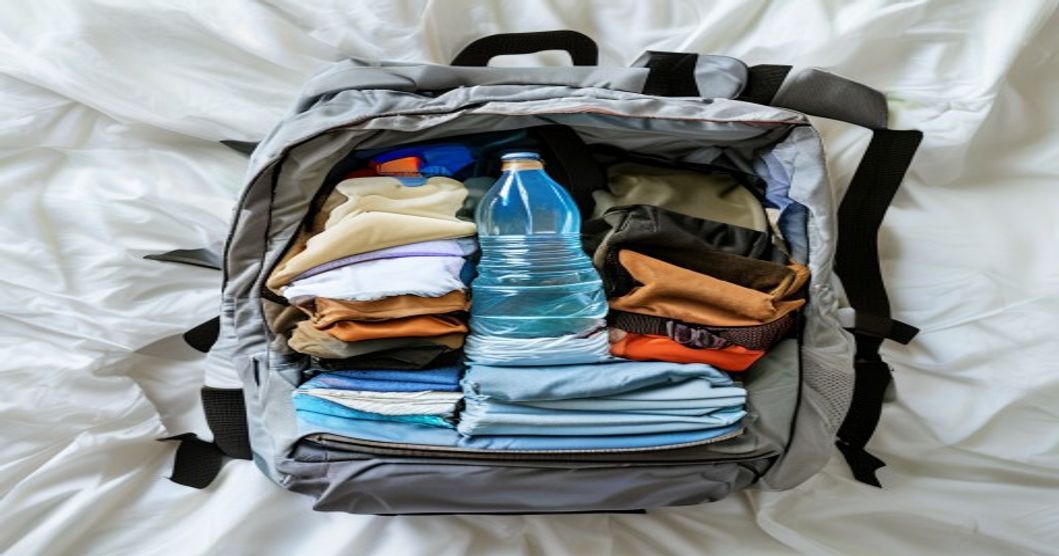
Here’s what actually fits in a 30L, ultralight pack for a week in Southeast Asia:
- Clothing: 5–6 lightweight shirts, 2 pairs of shorts, 1 pair of long pants, 7 underwear (zip-bag them), 2 pairs of socks, 1 light sweater
- Footwear: 1 pair of travel shoes (lightweight trainers), 1 pair of flip-flops or sandals
- Toiletries: Travel-size everything; put heavy items in the hostel bag
- Electronics: Phone, charger, portable battery, headphones
- Documents: Passport, copies, credit cards (slim wallet)
- Extras: Lightweight rain jacket or poncho, small towel, sunscreen
Total packed weight: usually 8–11kg. Empty pack: 1.5kg. Loaded: 9.5–12.5kg. Manageable for 10+ hours of walking? Yes. Comfortable? Only if your hip belt works.
Where to Actually Buy Ultralight Packs
Amazon has dozens of 30L ultralight backpacks in the $30–80 range. Read reviews carefully: look for “weight” mentions, “hip belt comfort,” and “durability after X weeks.” Real travelers will tell you if zippers failed or if the pack sagged after 20 days of use.
Outdoor specialty stores sometimes carry ultralight options, though they’re usually pricier. The benefit is you can try them on and feel the weight difference yourself.
Avoid the cheapest options (under $20). You’ll regret it by day 10. Spend $40–70, and you’ll have a pack that survives your whole trip and beyond.
Who This Approach Works For (and Doesn’t)
This is perfect if you: Love moving often and packing light. Don’t need a laptop (or have a small one). Are okay with laundry every 5–7 days. Want to minimize shoulder pain. Are traveling on a shoestring and every pound matters.
This won’t work if you: Need 15+ pockets for gear organization. Hate doing laundry frequently. Travel with heavy items (professional camera, lots of books, work laptop). Prefer comfort over minimalism. Are doing a mix of beach, mountain, and urban travel with wildly different gear needs.
A 30–32L ultralight backpack under 2kg, with a padded hip belt and ripstop nylon construction, is the honest sweet spot for Southeast Asia budget backpacking. You’ll feel the difference after day one—less shoulder pain, easier airport navigation, faster movement through crowded markets. Spend $50–70 on a pack with good reviews, check the weight yourself (don’t trust marketing), and pack ruthlessly. Your future self, arriving in Chiang Mai without shoulder ache, will thank you.
Check current options on Amazon (see below) or your local outdoor store, and read buyer reviews for actual weight and durability feedback.
Related Reading
If you’re already settled on a lightweight backpack, you might also want to explore features like a removable daypack for hiking or a hip belt that truly distributes weight on jungle trails. Check out Travel Backpack with Hip Belt: How to Choose One That Actually Distributes Weight on Jungle Hikes for deeper load-bearing details, or Best Travel Backpack with Removable Daypack: What Actually Works for Multi-Week Trips Under 60L if you’re doing day hikes alongside longer trips.
Disclosure: This article contains affiliate links. If you click through and make a purchase (especially on Amazon), I may earn a small commission at no extra cost to you. As an Amazon Associate I earn from qualifying purchases. I only recommend gear I genuinely believe works for budget Southeast Asia travel based on traveler feedback and specs. Thanks for supporting this site.