Best Travel Socks for Long Flights: Why They Matter & How to Choose
Disclosure: This post may contain affiliate links. We may earn a commission on qualifying purchases at no extra cost to you.
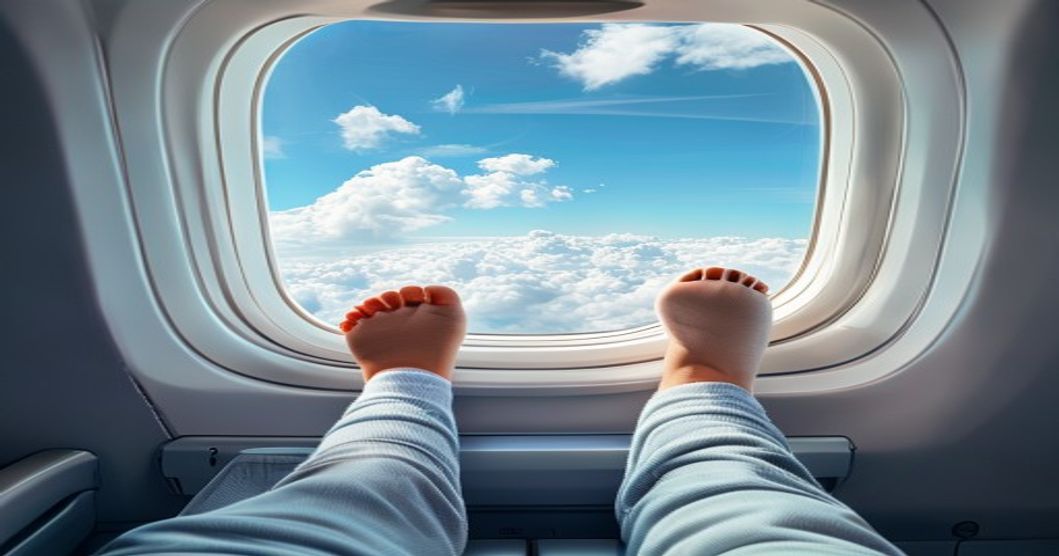
Three hours into a long flight, your feet feel puffy, and you’re sitting there in regular cotton socks asking yourself why you didn’t pack something better. Sound like you? Long flights mess with your feet—cabin pressure drops, blood flow slows, and your socks end up working way too hard. Good news: picking the right travel socks is genuinely one of the easiest wins in your packing strategy, and it actually makes a difference.
Why Travel Socks Actually Matter on Long Flights
Here’s what the cabin does to your feet: pressure drops, oxygen in your blood decreases, and circulation slows way down. Your feet swell because fluid pools in your lower legs—that’s why your shoes feel tight by the time you land after a marathon flight. Throw in sitting still for hours in a cramped space, and your feet turn into a sweat factory if your socks can’t breathe.
Regular cotton socks soak up sweat and stay damp, which is basically a blister-and-odor generator. Travel socks actually work—they pull moisture away from your skin, keep your feet dry, and add extra padding where it counts: heel, ball of the foot, toes.
Compression socks (if you go that route) give you a bonus. Gentle compression can help blood flow, which might mean less swelling and potentially lower risk of deep vein thrombosis on ultra-long flights. Even regular travel socks with good arch support and a snug fit keep them from sliding around, which cuts down on heel blisters.
Key Features to Look for in Travel Socks
Moisture-Wicking Fabric
This one’s non-negotiable. Merino wool, polypropylene blends, and bamboo are solid options. Merino wool stays naturally antimicrobial and regulates temperature—feet stay warm in a freezing cabin but don’t overheat. Synthetic blends (polyester-nylon-spandex) dry fast and cost less. Bamboo feels soft and breathes well but doesn’t hold up as long. Skip 100% cotton, acrylic, and straight polyester; they trap moisture and lead to stink and misery.
Targeted Cushioning
Look for padding in the heel, arch, and toe areas. This absorbs impact when you’re walking through airports and stops blisters where socks rub. Some socks come in “medium” or “light” cushioning levels; medium wins for flights, light if you’re heading somewhere hot and wearing them casually.
Seamless or Flat-Seam Construction
A seam across your toe or heel feels fine at first, then becomes a nuisance after hours in a shoe. Go for seamless or flat-seam designs.
Snug Fit Without Constriction
Your socks should hold your foot and calf firmly without cutting off circulation. Socks that bunch or slip cause friction and blisters. Compression socks have graduated pressure (tighter at the ankle, lighter up the calf), which is intentional and safe when fitted right. Regular snug-fit socks mainly keep them from sliding.
Breathability
Ventilation zones or mesh panels let air move around your foot. Merino wool breathes naturally; synthetic blends with ventilation layers do too. Skip the thick hiking wool socks—they trap heat and overkill it for flights.
How to Choose Between Compression and Non-Compression
Choose compression socks if: You’re flying constantly (multiple times a month), have blood clots in the family, are recovering from surgery, or have known circulation issues. Some people swear they cut down swelling and fatigue. Therapeutic compression socks come by prescription or over-the-counter; check with your doctor if you have health concerns.
Choose regular supportive/cushioned travel socks if: You fly occasionally, have no circulation issues, and mostly want comfort and blister prevention. These feel more like regular socks—lighter, cheaper, and fine to wear casually at your destination without standing out.
The Sock-Shopping Checklist
Before you buy, run through this to avoid wasting money on duds:
- Confirm the fiber content: Merino wool, synthetic blend, or bamboo? (Yes.) 100% cotton? (No.)
- Check the cushioning level: Medium, light, or heavy? Medium is the standard for flights.
- Look for seam details: Flat, reinforced, or seamless? (All three are good.)
- Verify the fit range: Do they come in your shoe size? Too small = bunching. Too large = sliding.
- Read for moisture-wicking claims: Look for “moisture-wicking,” “quick-dry,” or “breathable.”
- Check return policy: Travel socks vary in price; make sure you can send them back if they feel wrong.
Packing and Wearing Your Travel Socks: Practical Steps
Pack Multiple Pairs
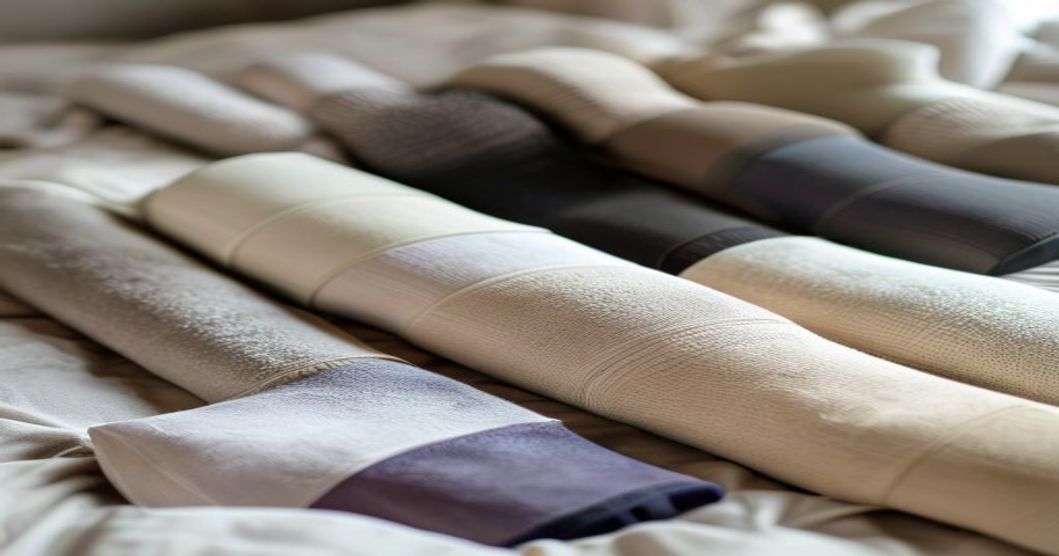
Bring at least 2–3 pairs even for a short trip. Wear one on the flight, keep one in your carry-on as backup (in case your feet get cold or damp), and stash one in checked luggage. Flying for a week or longer? Pack several pairs and wash mid-trip or buy more at your destination.
Wear Fresh Socks at the Airport
Put on your travel socks after security, not before. Keeps them clean for the flight. Lots of travelers swap socks again right before boarding if they’ve been walking the terminal for a while.
Bring a Backup Pair in Your Carry-On
Flights are unpredictable—delays happen, connections run tight, socks get damp. A spare pair in your pack takes almost no space and saves you mid-flight if your feet are uncomfortable.
Remove Your Shoes Shortly After Takeoff
Your feet usually start swelling pretty fast after takeoff. Kick off your shoes, prop your feet up on the footrest or a pillow, and keep your socks on for circulation and comfort. Cabin mates don’t mind your socks; they mind bare feet.
Stay Hydrated and Move When You Can
Even the best socks work better when paired with movement. Flex your feet and calves every 30 minutes, walk to the bathroom when the seatbelt sign turns off, and drink water instead of alcohol (which dehydrates you and makes swelling worse). Your socks help, but actually moving matters.
Pro Tips to Maximize Comfort
Layer your foot care: Rub foot cream or balm on before putting socks on. Moisturized skin resists blisters better, and socks lock in the moisture.
Size up slightly if you swell like crazy: Some travelers buy a half-size larger specifically for long flights to avoid squeezing. Works as long as they don’t slide.
Wash and dry immediately after landing: Merino wool socks are naturally antimicrobial and handle multiple wears before washing, but synthetic blends should usually wash after each flight. Hang-dry or lay flat; skip the dryer, which beats up elastic and cushioning.
Test before a big trip: New travel socks? Wear them on a short domestic flight first. A 2–3 hour flight tells you if they’re comfortable before you gamble on a marathon flight.
Pairing Socks with Other Travel Comfort Gear
Travel socks are just one piece. For a genuinely comfortable long flight, combine them with:
- A good travel pillow for neck and head support. (Check our guide on best travel pillows for long flights.)
- Compression bags to free up luggage space so you can pack more socks and comfort stuff without overstuffing. (Read more on best compression bags for travel.)
- Luggage protection gear so your suitcase (and socks inside) doesn’t get beat up in transit. (Check out our guide to preventing luggage damage.)
- Compression pants or leggings if you’re at risk for swelling or DVT—these work together with compression socks.
- A lightweight foot rest or pillow to prop your feet up and cut down swelling.
Common Mistakes to Avoid
Mistake 1: Buying socks that are too tight. Compression socks should be snug, not painful. If they leave deep marks or numb your feet, they’re too tight. Try a larger size or non-compression socks.
Mistake 2: Packing socks without testing them first. New socks on a mega-long flight is a gamble. Wear them at home for a few hours to catch any uncomfortable spots or rubbing.
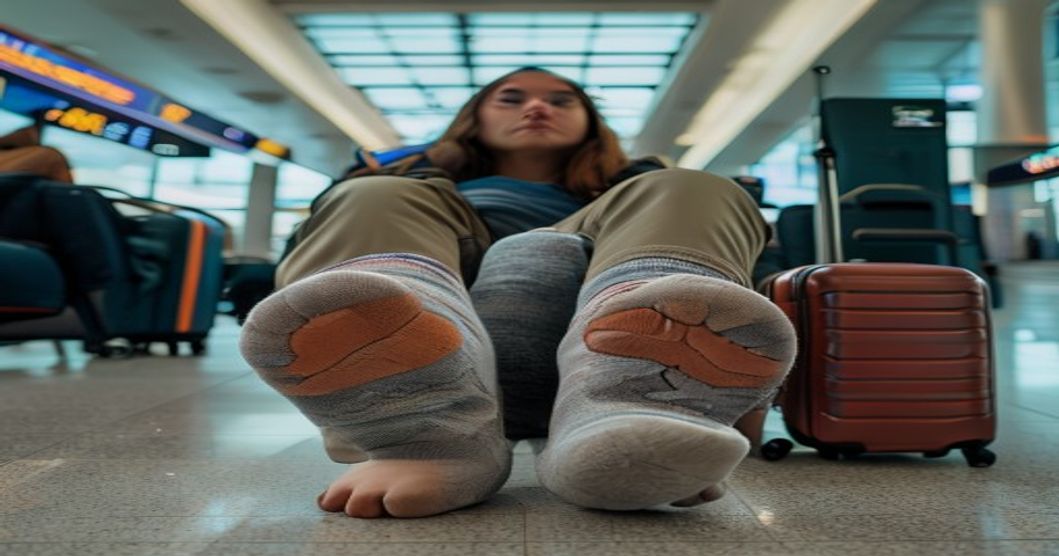
Mistake 3: Ignoring moisture. Damp socks suck. If your feet sweat or you walk through a humid airport, change into fresh dry socks before boarding.
Mistake 4: Wearing socks that are too chunky. Thick hiking or wool socks can restrict blood flow if your shoes are tight. Pick socks that fit comfortably in your shoes—snug is good, cramped is not.
Mistake 5: Assuming one pair is enough. Backup pairs save you if things go south. They weigh basically nothing.
Budget vs. Premium: What’s the Real Difference?
Budget travel socks (under $10 per pair) use synthetic blends and have decent padding. Fine for occasional flyers, especially on shorter flights.
Mid-range socks ($10–$20 per pair) usually blend merino wool or premium synthetics with solid construction (seamless, reinforced heels, graduated cushioning). Most regular travelers find this sweet spot worth it.
Premium socks ($20+ per pair) use top-tier merino wool, advanced moisture-wicking, and fine craftsmanship. They may last longer and feel slightly better, but the difference doesn’t matter much if you fly a few times a year.
For most people, a quality mid-range pair covers everything you need without overpaying.
The best travel socks combine moisture-wicking fabric (merino wool or synthetic blend), cushioning in high-impact zones, a snug seamless fit, and breathability. For most people, a mid-range pair of non-compression travel socks does the job; go compression only if a doctor recommends it or you fly constantly. Pack 2–3 pairs, wear fresh socks on the flight, kick off your shoes soon after takeoff, and stay hydrated and moving throughout. This simple habit costs less than an airplane meal and helps prevent swelling, blisters, and foot pain by the time you land.
Browse Travel Socks on Amazon →
Who This Advice Is For (and Who It’s Not)
This Guide Works For:
- Anyone flying 4+ hours regularly or occasionally
- People prone to swollen feet, blisters, or sore feet during long sitting
- Travelers who want a simple, affordable comfort upgrade
- Frequent flyers looking to minimize discomfort and fatigue
- People who’ve had bad experiences with foot pain or DVT risk
This Guide Does NOT Apply To:
- People flying under 2 hours (regular socks are fine)
- Those with strong sensitivity to sock seams or specific fabric allergies (you may need custom socks)
- Travelers with severe swelling or circulation issues without medical clearance (talk to your doctor first)
- People who refuse to change habits (good socks help, but hydration and movement matter too)
Disclosure: This article contains affiliate links to Amazon. As an Amazon Associate I earn from qualifying purchases. The recommendations and advice come from research and traveler feedback, not sponsored endorsements.