Travel Gear and Safety Tips for Hurricane Season Destinations: What Actually Protects You
Disclosure: This post may contain affiliate links. We may earn a commission on qualifying purchases at no extra cost to you.
Here’s the myth most travelers believe: that visiting a hurricane-season destination is inherently reckless. The truth? Millions of people travel safely through these regions every year because they’re practical about timing, gear, and what actually matters. You don’t need a duffel bag made of titanium or a suitcase with a lightning rod attached. You need smart preparation, the right information, and gear that solves real problems—not travel-magazine fantasies.
Hurricane-season travel is safe if you build in flexibility, invest in comprehensive travel insurance with weather coverage, reliable waterproof storage, and real-time weather monitoring tools. Skip the expensive gadgetry; focus on the fundamentals that actually protect you.
The Three Pillars of Hurricane-Season Travel Safety
Before you even think about gear, understand the three things that matter most: timing flexibility, information, and insurance. A fancy waterproof bag means nothing if you’re trapped in a destination without evacuation options or insurance coverage. Start here.
1. Book with Flexibility Built In
Travel during hurricane season often saves 30–50% on accommodations and flights. That’s real money. But it only works if you’re genuinely flexible. Buy refundable or flexible-date flights (yes, they cost more upfront, but they’re insurance). Book hotels with free cancellation up to 24–48 hours before arrival. If a storm forecast changes your plans two weeks out, you need to pivot without financial disaster.
Set a decision point: 10–14 days before your trip, review the forecast for your destination. If a major storm is predicted to arrive during your stay, cancel. If it’s borderline or still uncertain, call your hotel and airline directly—many will allow you to reschedule at no charge during active hurricane warnings, even on non-refundable bookings. They’d rather help than deal with stranded guests.
2. Get the Right Insurance, Then Check It Twice
Standard travel insurance does not cover cancellations due to bad weather—only trips to your origin being affected. Hurricane-season insurance must explicitly cover weather-related trip cancellation, medical evacuation, and emergency accommodation. Read the policy details before you buy. Look for phrases like “weather delay reimbursement” and “hurricane/tropical storm coverage.” If it’s not written in, it’s not covered.
This is the single most important gear decision you’ll make, and it costs $50–150 for a week-long trip. It’s the difference between losing a $2,000 vacation or losing nothing.
The Actual Gear That Matters
Now that the big-picture safety is locked down, here’s what travelers who’ve done hurricane-season trips repeatedly say actually works.
Waterproof Storage: The Unsexy Hero
Water damage isn’t glamorous, but it’s the #1 gear failure in tropical travel. Your phone getting soaked isn’t hypothetical—it happens. Your documents getting wet is worse. Your medications dissolving into paste is genuinely dangerous.
Forget expensive “waterproof” luggage (they leak). Instead:
- Heavy-duty ziplock bags (2-gallon and 1-gallon sizes)—$2 for a box, infinitely reusable, crushproof storage for documents, electronics, and medications.
- Dry bags (compression-sealed, 5–10 liter sizes)—$15–30 each from outdoor brands. Use for valuables, phone chargers, and a clean change of clothes. They’re essential if you’re near beaches or doing water activities.
- Waterproof packing cubes—$20–40 for a set. They compress clothes, keep them organized, and shed water. Unlike traditional packing cubes, waterproof versions actually protect contents if your luggage gets soaked.
Travelers who’ve been through tropical downpours swear by the combination: outermost layer is waterproof cubes inside the main luggage, then smaller items (meds, documents, electronics) in ziplock bags inside the cubes. It sounds redundant until you’re the person whose luggage got flooded and everyone else’s was fine.
Real-Time Weather Monitoring
Your phone’s weather app is not enough. Download the official Hurricane Tracker app from the National Hurricane Center or use their website (nhc.noaa.gov) for official forecasts, not guesses.
Pair that with a portable weather radio (battery-powered or hand-crank)—about $20–40. If cellular networks fail (common during storms), a weather radio still receives official alerts and forecasts. It’s not just for doomsday preppers; it’s insurance against information blackouts. Travelers in areas hit by storms consistently report that weather radios were the difference between staying calm and panicking.
Download offline maps of your destination before you leave (Google Maps allows this). If internet goes down, you can still navigate.
Your Backpack or Luggage: Choose Correctly
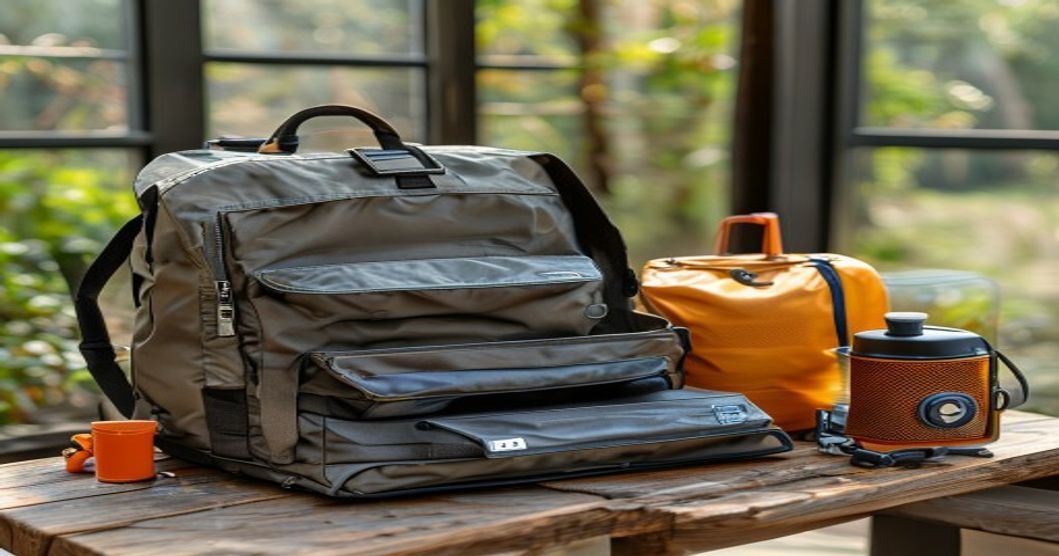
For hurricane-season destinations, the backpack you choose matters—not for “hurricane protection” but for real-world usability when conditions are bad. Water resistance is essential, but durability is more important.
Look for bags with:
- Water-resistant zippers (coated or sealed)—regular zippers leak.
- Taped or welded seams—the difference between a bag that sheds water and one that lets it through at the stitching.
- Reinforced base and corners—bags take a beating, especially in crowded tropical airports.
- Quick-access pockets for phone and documents.
You don’t need a $400 “premium” backpack. A well-made $80–150 travel backpack from any reputable outdoor brand will outperform a $50 suitcase. Check reviews on actual traveler websites (not just Amazon blurbs) for durability feedback.
For specific guidance on choosing the right backpack for your trip length, consider reading our travel backpack with side-loading access buying guide or, if you’re planning longer treks, our guide on backpacks with curved shoulder straps for trekking. If you’re city hopping instead, the 35-liter and under backpack guide covers compact, nimble options perfect for urban hurricane-season destinations.
Documents and Critical Information
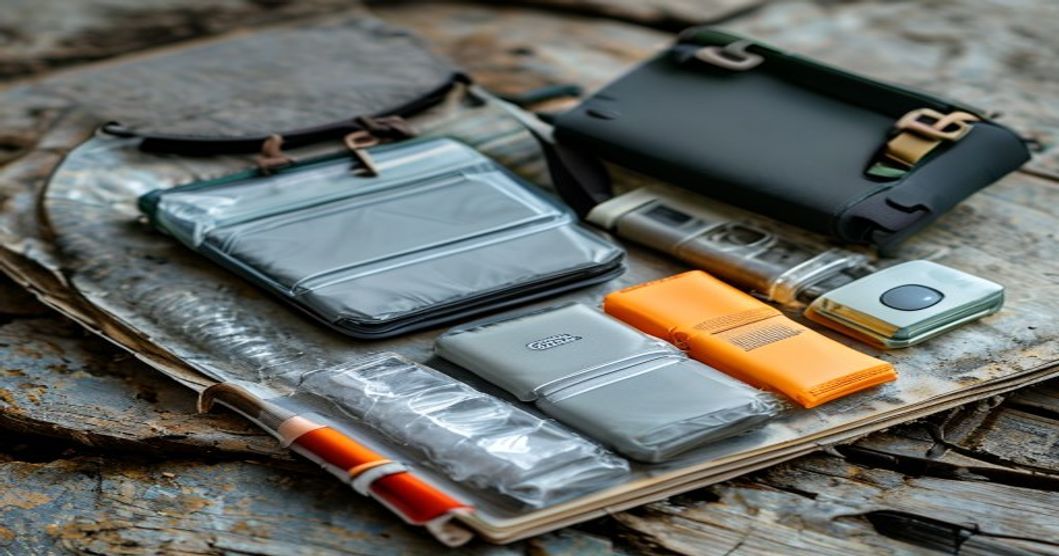
Create a physical copy of your essential documents printed on waterproof paper (or laminated standard paper):
- Passport photo page
- Travel insurance policy number and 24/7 emergency contact
- Flight confirmations and hotel reservations
- Emergency contact names and phone numbers (your family’s, your embassy’s local contact)
- Any prescriptions or medical conditions (helpful if you need care in a different location)
- Credit card and traveler’s check numbers (not the actual cards, just the numbers for reporting lost cards)
Seal this in a small ziplock bag and keep it separate from your main luggage. Also store digital copies in your phone’s notes app and in a cloud service (Gmail, iCloud, Dropbox). The goal: if something happens to your primary documents or luggage, you can still prove your identity and get help.
On-the-Ground Preparation: The Pre-Trip Checklist
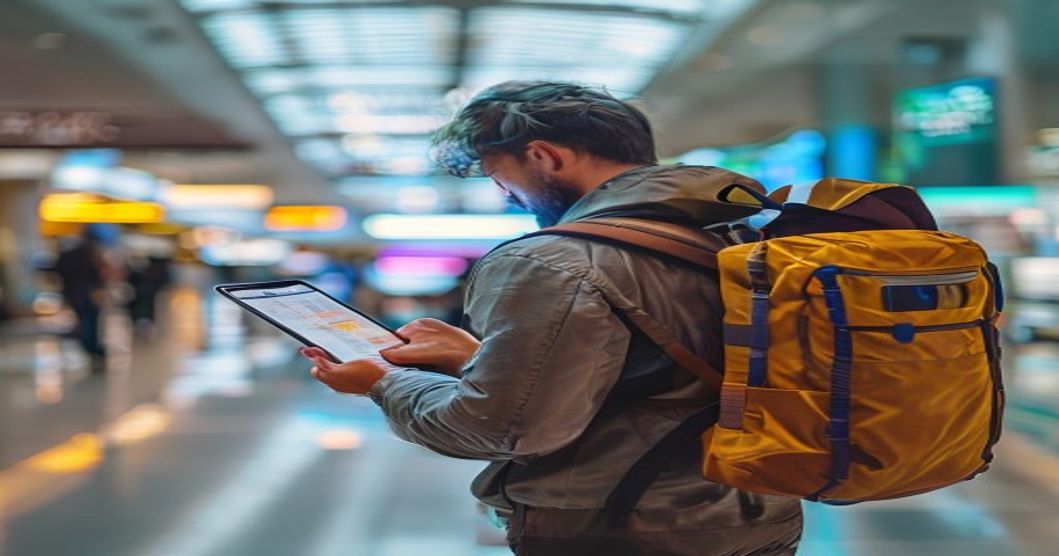
Two weeks before departure, start these steps:
- Download weather apps and offline maps. Test them before you leave home.
- Check your destination’s hurricane season window. Confirm your travel dates fall outside peak risk if possible.
- Buy travel insurance with explicit weather coverage. Read the fine print—seriously.
- Arrange refundable flight and accommodation bookings. The 10% cost increase is worth peace of mind.
- Notify your bank and credit card companies of travel dates. This prevents fraud holds during an emergency.
- Print or laminate critical documents. Make one set for your main luggage, one for a carry-on or day bag.
- Stock a small first-aid kit. Tropical travel means insect bites, scrapes, and occasional stomach upset—over-the-counter items from home cost a fraction of what pharmacies charge abroad.
- Charge all electronics and buy portable battery packs. A single 20,000 mAh power bank keeps a phone alive for 2–3 days without power.
- Set a decision date: 10 days before travel. Check the forecast. If a major storm is predicted, cancel without panic. If unclear, contact your hotel and airline directly.
What Not to Buy (Hype You Can Skip)
Travel gear companies love selling hurricane-season travelers things that sound protective but aren’t:
- “Hurricane-proof” luggage—a marketing term with no real standard. A mid-range water-resistant backpack works just as well.
- Expensive emergency weather radios with solar panels. A $20 hand-crank model is just as reliable and lighter to pack.
- Travel-size air purifiers. Hurricanes aren’t pollution events; they’re weather events. This solves a problem that doesn’t exist.
- Compact “storm shelters” or emergency tents. Your hotel is shelter. If evacuation is necessary, you follow official guidance—not a personal tent.
Gear companies know travelers are anxious about hurricane season. They weaponize that anxiety to sell overpriced products. Stick to the fundamentals: insurance, information, and water-resistant storage. Everything else is gravy.
Who Should and Shouldn’t Travel During Hurricane Season
Good candidates for hurricane-season travel:
- Travelers with flexible dates who can postpone if a storm is forecast.
- People comfortable with uncertainty and willing to monitor forecasts actively.
- Budget-conscious travelers who want shoulder-season discounts and can afford the insurance cost.
- Experienced tropical travelers who understand what to expect.
Not suited for hurricane-season travel:
- Travelers with fixed, non-flexible travel dates or families needing guaranteed schedules.
- People with anxiety about weather or unpredictability—the constant monitoring will stress you out.
- Those on a tight budget who can’t absorb potential flight rebooking costs or insurance premiums.
- Travelers with certain medical conditions requiring uninterrupted electricity or medication refrigeration.
Hurricane-season travel isn’t dangerous if you’re practical: buy comprehensive weather insurance, pack smart waterproof storage, stay informed, and build in flexibility. The gear that saves you isn’t expensive—it’s the combination of travel insurance, dry bags, a weather radio, and backup documents. Skip the marketing hype, focus on the fundamentals, and you’ll travel safer and smarter than 90% of travelers, storm season or not. For travel-specific advice on choosing the right bag for your exact itinerary, explore our full backpack guides linked above.
Affiliate Disclosure
This article contains affiliate links. If you purchase through the Amazon links included herein, I may earn a commission at no extra cost to you. As an Amazon Associate I earn from qualifying purchases. I only recommend gear based on genuine traveler feedback and utility, not commission potential.