Lightweight Travel Backpack with Waterproof Compartments for Tropical Monsoon Hiking: 2026 Buyer’s Guide
Disclosure: This post may contain affiliate links. We may earn a commission on qualifying purchases at no extra cost to you.
Here’s the honest truth: most travelers buy a ‘waterproof’ backpack, stuff it with electronics and clean clothes, get caught in monsoon rain for 20 minutes, and end up with a soaking phone because they didn’t actually use the waterproof compartments correctly. The gear isn’t the problem—the packing strategy is.
For monsoon hiking in tropical conditions, a 40-50L backpack with sealed waterproof compartments, an integrated rain cover, and a proper hip belt beats larger generic packs every time. The right backpack keeps gear dry, distributes weight intelligently, and survives daily exposure to wet jungle conditions without falling apart.
The Real Problem With ‘Waterproof’ Marketing Claims
Manufacturers love throwing the word “waterproof” around. What they often mean is “the main fabric sheds water pretty well.” That’s water-resistant, not waterproof. There’s a crucial difference when you’re hiking in Southeast Asian monsoons where rain doesn’t stop for hours.
A pack labeled “waterproof” with sealed seams and an integrated rain cover? That’s the real deal. A pack with water-resistant nylon and no compartment sealing? Your electronics are getting wet. We’ve all heard the story: someone’s laptop died mid-trip because they trusted the marketing and didn’t use dry bags inside.
What Waterproof Compartments Actually Do (and Don’t)
Sealed compartments separate your gear so water doesn’t spread throughout the entire pack if one section gets wet. A typical setup includes a bottom waterproof pocket (great for electronics or important documents), a middle section with standard organization, and a top lid closure. During a monsoon downpour, water might seep into the middle section, but your phone in the sealed bottom pocket stays dry.
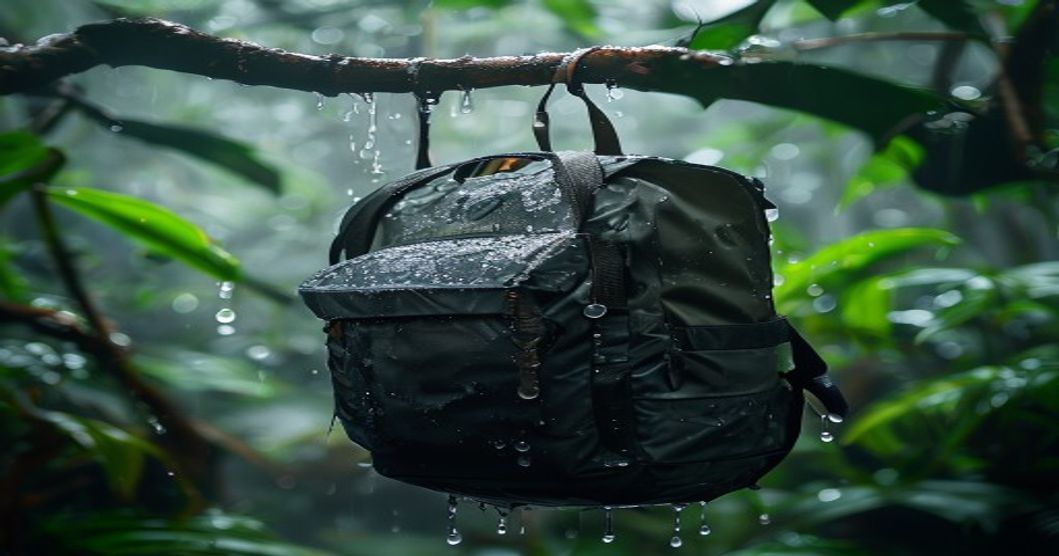
The rain cover is the other half of the equation. It wraps around the entire pack and deflects heavy rain away from seams and zippers. Most good rain covers integrate into the pack design—they roll up in a bottom pocket and deploy in seconds when weather turns bad. Some travelers skip the rain cover to save weight and regret that decision within an hour of tropical rainfall.
The mistake people make: they think “waterproof compartments” means “throw everything in and ignore the rain cover.” Wrong. The compartments help, but the rain cover is what actually stops monsoon-level rain from reaching your stuff.
Comparing Lightweight Waterproof Options: What Works in the Field
When you’re choosing between backpacks, the specs matter, but so does how actual travelers report them holding up. Here’s the breakdown of what separates a pack that survives monsoon hiking from one that just looks the part.
| Feature | 40-50L Sealed Compartment Pack | 60L+ Large Capacity Pack | Hybrid Roll-Top Pack |
|---|---|---|---|
| Weight (empty) | 1.5–2.2 kg | 2.0–3.0 kg | 1.8–2.5 kg |
| Waterproofing | Sealed compartments + integrated rain cover | Usually just rain cover; main compartment not sealed | Roll-top seals completely when rolled tight |
| Best For | Multi-day hikes; keeps electronics safe; easy access to gear | Extended trips; overpacking temptation; heavier loads | Minimalists; maximum waterproofing; simple gear access |
| Rain Cover Included | Yes (integrated) | Often sold separately | Built into design |
| Price Range | $120–$250 | $130–$280 | $100–$220 |
| Durability in Monsoon | Excellent; seams hold up; rain cover reliable | Good; rain cover does heavy lifting; weight adds strain | Excellent; roll-top method proven in extreme wet |
40-50L Sealed Compartment Packs: The Goldilocks Choice
This size hits the sweet spot for monsoon hiking. You have enough capacity for a week-long trek with camping gear, but not so much that you fill it with unnecessary items. The sealed bottom compartment—usually accessed from the outside—is where your phone, camera, and passport live. The integrated rain cover deploys in under 10 seconds.
The hip belt matters here more than most people realize. A well-designed belt sits on your actual hip bones and transfers about 60-70% of the pack weight to your legs. In wet conditions, this becomes even more important because wet fabric adds friction, and you don’t want all that weight pulling on your shoulders.
Real-world feedback from monsoon trekkers: the best packs in this category have padding on the back panel (helps with air flow when it’s humid), a sternum strap that actually adjusts (prevents shoulder strain), and zippers that don’t jam when wet or dusty. Cheap zippers seize up the moment dirt gets in; you’re hacking at them with a knife by day three.
60L+ Large Capacity Packs: When Size Becomes a Problem
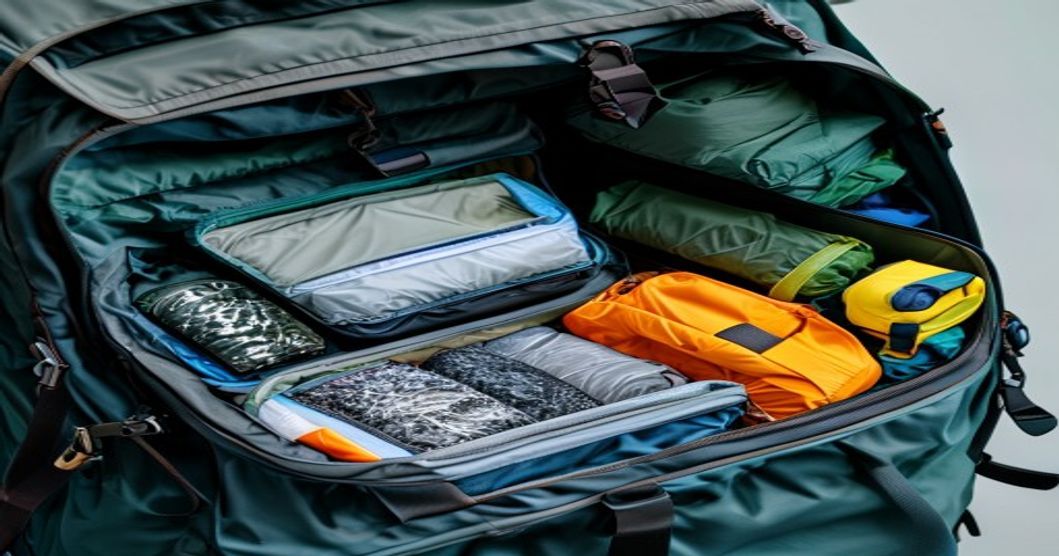
Bigger isn’t better on monsoon hikes. A 60L pack tempts you to pack more, which increases weight, which makes the hip belt work harder, which leads to shoulder and back pain by day two. They’re also heavier when empty (often 200+ grams more than a 45L pack), and that baseline weight adds up during a week-long trek.
Large packs sometimes lack integrated rain covers—you buy them separately and hope you remember to pack it. The main compartment is rarely sealed, so water can slosh around inside if you’re wading through streams or hiking in heavy downpour.
They make sense if you’re combining camping with resort stays (need formal clothes, heavier gear) or traveling with someone who can’t pack light. For a pure monsoon hiking trip? You’re carrying unnecessary bulk.
Hybrid Roll-Top Packs: Maximum Waterproofing, Minimal Fuss
Roll-top packs seal by rolling the fabric down and clicking it closed—no zippers exposed to water. The trade-off: accessing your gear mid-hike requires unrolling, which is slower than opening a compartment. But if your priority is keeping every single item bone-dry during hours of continuous rain, this design wins.
They’re popular with mountaineers and serious jungle trekkers because the roll-top method has zero failure points—there are no sealed seams to compromise, just fabric rolled over itself. The rain cover is often sewn into the design rather than a separate attachment.
The downside: if you need quick access to your phone or snacks during the hike, you’re rolling and unrolling the whole pack. Most serious hikers accept this trade-off because the waterproofing peace of mind is worth it.
How to Actually Pack a Waterproof Backpack for Monsoon Conditions
Buying the right pack is step one. Using it correctly is step two, and it’s where most people mess up.
Electronics belong in the sealed bottom compartment or a waterproof dry bag inside the pack. Ideally both. Wrap your phone in a small dry bag, then place it in the sealed pocket. Overkill? Only if your phone has already died in a monsoon. Then it’s called learning.
Wet items (rain jacket, towel) go in an exterior pocket or attached to the outside of the pack. If you keep wet stuff inside, it spreads moisture throughout everything else. Most good packs have a small side pocket designed for wet gear—use it.
Heavier items (tent, supplies) belong in the middle section, as close to your back as possible. This is basic physics: weight near your center of gravity feels lighter and distributes more evenly across the hip belt.
Use the rain cover before rain happens. Deploy it when you see clouds building, not after water is already soaking in. The best rain cover in the world can’t protect gear that’s already wet.
Lightweight Doesn’t Mean Flimsy
One myth: lightweight packs fall apart faster than heavy-duty ones. False. Modern backpacking materials are stronger per ounce than they were ten years ago. A 1.8kg pack made with good ripstop nylon and quality stitching will outlast a 3kg pack made with cheaper fabric.
What matters is stitching quality and material weight in key stress areas. Double-stitched seams at attachment points (where straps meet the pack) cost a bit more but last through dozens of trips. Cheap single-stitch work separates after two or three monsoon hikes.
Look for packs where the hip belt connects to the main pack body with reinforced stitching—that’s where 99% of structural failures happen. A flimsy hip belt attachment means the pack shifts around as you hike, leading to pain and eventual tearing.
- Less shoulder strain on multi-day hikes
- Easier to hike in humid conditions (less thermal stress)
- Sealed compartments keep electronics genuinely safe
- Integrated rain cover means no lost accessories
- Lighter = faster movement through challenging terrain
- Modern fabrics are durable despite lower weight
- Smaller capacity tempts you to underpack comfort items
- Premium materials cost more upfront
- Roll-top packs require unrolling for quick access
- Sealed zippers sometimes stick if not maintained
- Less padding = you notice the pack on your back
- Not ideal if you’re carrying overweight camping gear
Who This Pack Setup Is Actually For (And Who It Isn’t)
Choose a 40-50L sealed-compartment pack if you’re: Doing multi-day monsoon hikes (4-10 days), carrying electronics you actually want to protect, traveling solo or in pairs, comfortable with minimal gear, or learning wilderness camping. The size encourages smart packing, the sealed compartments work without requiring obsessive organization, and the weight keeps your body happy by day five.
It’s not for you if you’re: Traveling with a group that’ll carry supplies, combining hiking with resort stays (need different clothes), carrying expensive camera equipment that needs extra protection (use a roll-top pack with more seal redundancy), or new to hiking and worried you’ll need “just in case” gear. Large packs let you bring comfort; this size doesn’t.
Related reading: if you’re torn between staying ultralight and having a dedicated daypack, check out our guide on backpacks with removable daypacks for multi-week trips. Or if hip belt comfort is your main concern, see our guide on hip belts and weight distribution for jungle hiking. For pure lightweight comparisons, we have a detailed lightweight backpack showdown under 2kg.
The Monsoon Test: What Separates Hype From Reality
A backpack can look waterproof in a catalog. On a six-hour monsoon downpour in a tropical jungle? That’s the real test. Here’s what separates packs that work from packs that fail:
Seam sealing: Visible seams on the outside of the pack are weak points. Good packs have seams taped internally so rain can’t follow thread holes into the fabric. Some budget packs leave seams unsealed entirely—that’s where water enters.
Zipper quality: Heavy-duty zippers (often branded YKK or similar) run smoothly even when wet and don’t jam easily. Cheap zippers corrode or jam within days of monsoon exposure. This sounds like a detail; it’s the difference between accessing your gear and fighting with a stuck zipper in the rain.
Rain cover integration: If the rain cover doesn’t fit snugly or shifts around as you hike, it’s useless. The best packs have rain covers that roll up tight and stay put. Loose rain covers flap, shift, and eventually don’t protect anything.
Drain holes: Good packs have small drain holes at the bottom so water that does seep in can escape. Packs without drainage trap water, which adds weight and causes mildew. This is one of the smallest but most overlooked details.
A 40-50L backpack with sealed waterproof compartments, integrated rain cover, and quality zippers is the practical choice for monsoon hiking in 2026. The size keeps you from overpacking, the sealed compartments actually protect electronics, and the weight stays reasonable for multi-day treks. Don’t buy based on marketing alone—prioritize seam sealing, zipper quality, and rain cover fit. The cheaper pack today becomes the regretted purchase the moment rain soaks your phone. Invest in a pack built for the conditions you’ll actually face, use a rain cover before you think you need it, and pack smart (dry bags inside sealed compartments, wet items outside). That combination—good gear plus correct technique—keeps your trip dry and your body pain-free.
Explore Options on Amazon →
Final Packing Checklist for Monsoon Conditions
Before you hit the trail, make sure your pack setup covers the basics:
- Rain cover rolls up tight in its pocket? Test it.
- Hip belt sits on your hip bones, not your waist? Adjust now.
- All zippers slide smoothly when dry? If not, light silicone lubricant helps (don’t use heavy oils).
- Electronics in sealed compartment or waterproof dry bag? Check twice.
- Wet-gear pocket accessible and separate from main compartments? Good.
- Seams feel taped or reinforced to the touch? Run your finger along the outside—unsealed seams feel smooth fabric.
- Weight feels balanced when loaded? Put it on loaded and walk around for five minutes.
One more thing: bring a lightweight dry bag (200-300 grams) inside your pack as backup for electronics. It costs almost nothing, takes up minimal space, and has saved countless trips when a seal fails. Redundancy isn’t paranoia when you’re in the jungle.